


Grace Notes from Space for Grace 2026

Worship Plenary Reflections, Day One
“Come as you are. Come, you weary. Bring your doubts and your scars.”
Dr. Jeffrey Haggray, executive director of American Baptist Home Mission Societies, opened the 2026 Space for Grace & Spiritual Caregivers Conference with a heartfelt invitation. “Welcome home,” he announced to the conferees, a greeting visitors regularly hear upon arriving at ABHMS’ Leadership and Mission Building in King of Prussia, Pa.
The hymns, performed and sung under the direction of Dr. Tony O’Neill, praised the diverse Body of Christ, which includes saints and sinners, the faithful and the faint, the broken, the strange, and the searching. From the beginning, the conference showed that storytelling begins with an invitation.
“We are paperless people,” said Rev. Dr. Lauren Lisa Ng in her keynote. Drawing on 2 Corinthians 3, she contrasted the letter with the Spirit. The letter is inscribed on paper and contains documentation or endorsements; it signals legitimacy within the Empire. The Spirit is lived and relational; it embraces the fullness of our humanity.
One story Ng told to illustrate this contrast was that of “the Chinese Lady,” Afong Moy, who arrived in New York in 1834 on a trade ship. She posed among “Oriental” vases and rugs: wares mass-produced by the Carnes brothers, who realized that her performances would serve as advertising for their business. No personal narratives by Afong Moy have survived; her story is reconstructed from newspaper clippings of the time, which reveal more about how Americans perceived her than about her actual story. Before she mysteriously disappeared in 1851, Afong Moy was made into a spectacle. Her story was written down by others in ink, but without her voice. We know, deep down, that it was not really her story.
Papers and documents sometimes have the power to erase large parts of our lives. They can define who belongs and who does not. But they can also be used to circumvent exclusion, as the story of “paper sons” shows. These were Chinese men and boys who arrived as sons of Chinese already living in America. When the town hall and its records were destroyed in the San Francisco fire of 1906, they claimed to have been born on American soil.
“Come as you are” is therefore a call to resist the Empire, which reduces people to what can be documented, because we are a letter written down in the Spirit of God. At this conference, all we need is the willingness to connect with one another not through the papers that define us, but through the lives we carry in our “bones and sinews,” as Ng evocatively put it. Her keynote called for us to be Spirit-filled storytellers, not record-keepers; truly paperless people.
During the evening plenary, Friends of the Groom, a theater company from the Cincinnati area, enacted a story about three trees based on the book by Angela Elwell Hunt. Three little trees dreamed of wealth, power, and stature, but as they grew and were cut down, none of their dreams materialized. They were transformed into practical, modest objects. It seemed they were destined to be forever disappointed, but for each of them, a surprise was in store: eventually, they served Jesus Christ: the first as his cradle, the second as a bench on a fishing boat, and the third as the Cross. Their purpose turned out to be far more significant than it would have been had their dreams of worldly grandeur come true.
This message—that true importance is often borne by modest lives, humble people, and deep dedication to living out God’s plan for us—was also conveyed in the plenary keynote by Rev. Dr. Jim Somerville. He framed his story with Mark 8:31, in which Jesus told his disciples that the Messiah’s fate was not to enjoy worldly power but to suffer, be killed, and, after three days, rise again. When Peter rebuked him, Jesus responded: “You are setting your mind not on divine things but on human things.”
In his story “Class of ‘77,” Somerville recounted his years at Phillips Exeter Academy, an elite prep school. He told the audience about his perpetual sense of being the odd one out, a poor preacher’s son on a scholarship among the children of the wealthy and powerful. He described visiting a classmate’s vacation home at Thanksgiving, where he decided to follow the path of success and money. His eyes were opened to the limitations of wealth when he realized that his poor family had given him what his friend’s family lacked—love. What looked like less was actually more. The story he initially envisioned for his future self was not a life-giving one. This realization was so spiritually groundbreaking that he decided to become a minister.
While Ng’s morning keynote challenged the authority of what is written on paper, Somerville’s evening plenary revealed how deeply those “letters” still shape our idea of success. The tension between the things of God and the things of the world was profoundly embodied in Somerville’s story of early ambition and eventual reorientation toward God’s love. Both messages remind us that we tell stories, but we are also shaped by them, and that some stories can diminish the soul, even though they may look like success.
By Rev. Dr. Anna Piela, ABHMS senior writer and editor of The Christian Citizen.
To experience sessions from the 2026 Space for Grace & Spiritual Caregivers Conference, order S4G+ today! Visit here for more information.
Images from Day One
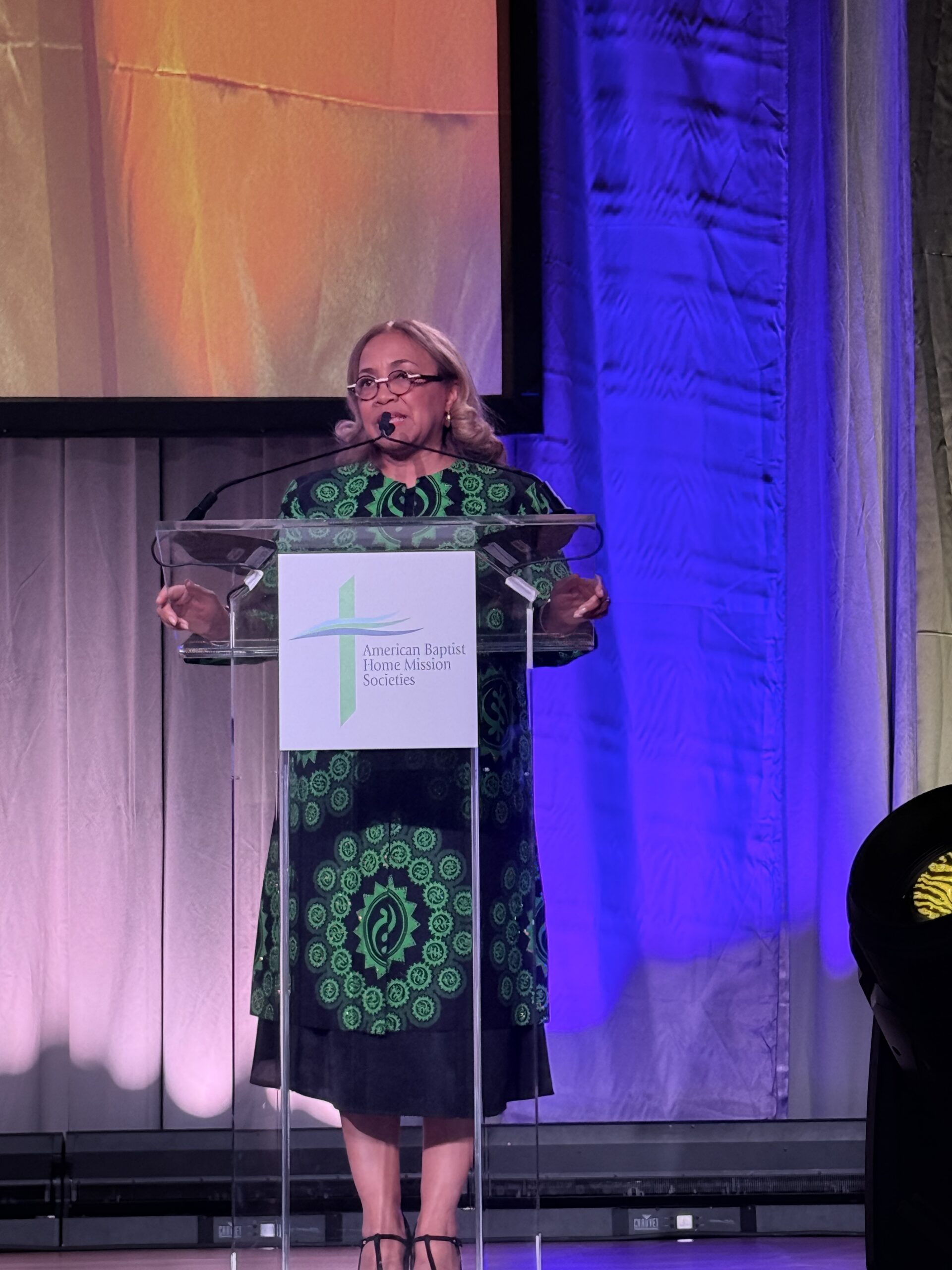
Special Guest Gina Jacobs Strain Welcomes S4G Attendees Day 1
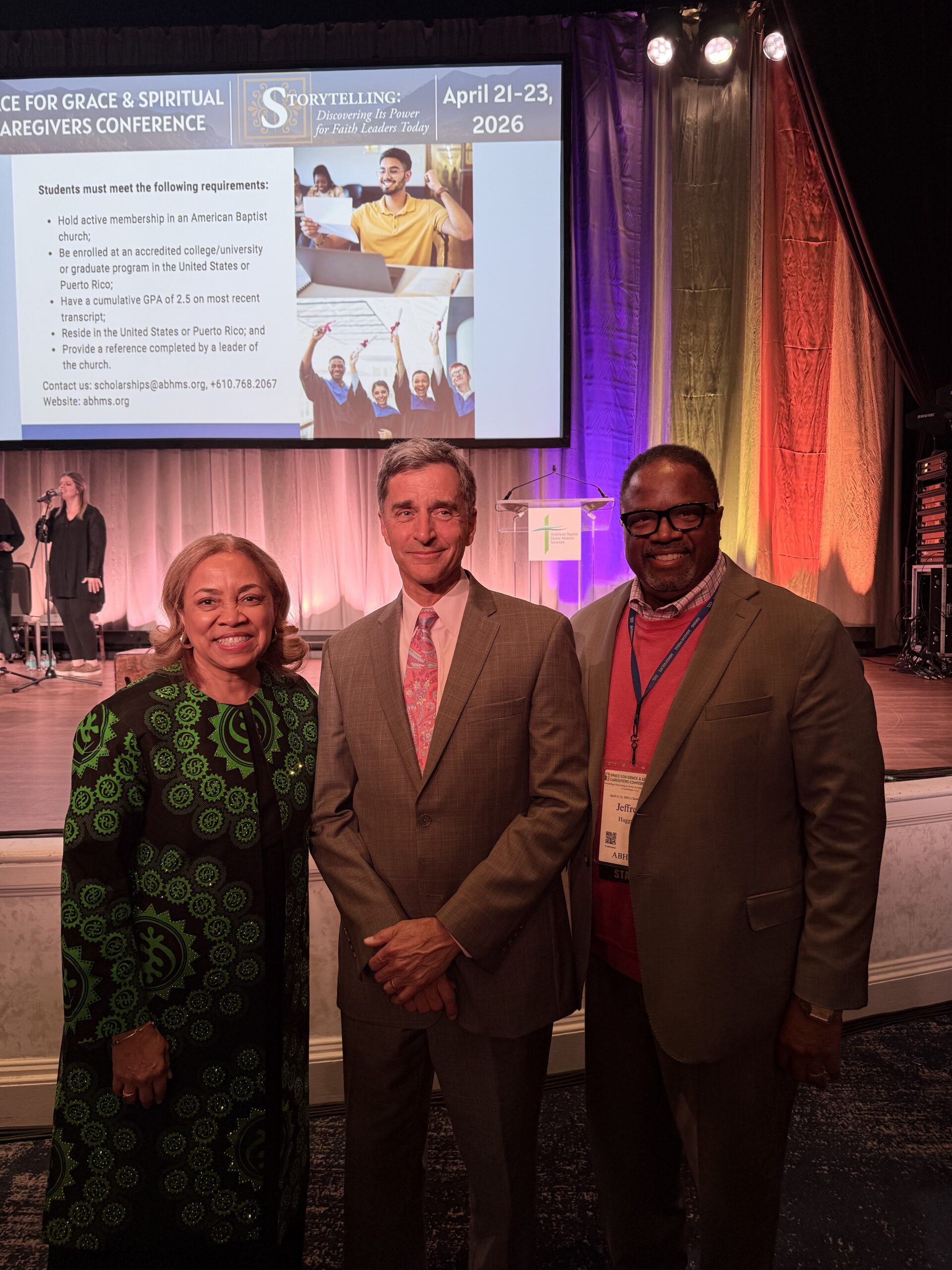
Speaker Jim Somverville Flanked by Gina Jacobs Strain and Jeffrey Haggray Evening Plenary Day 1
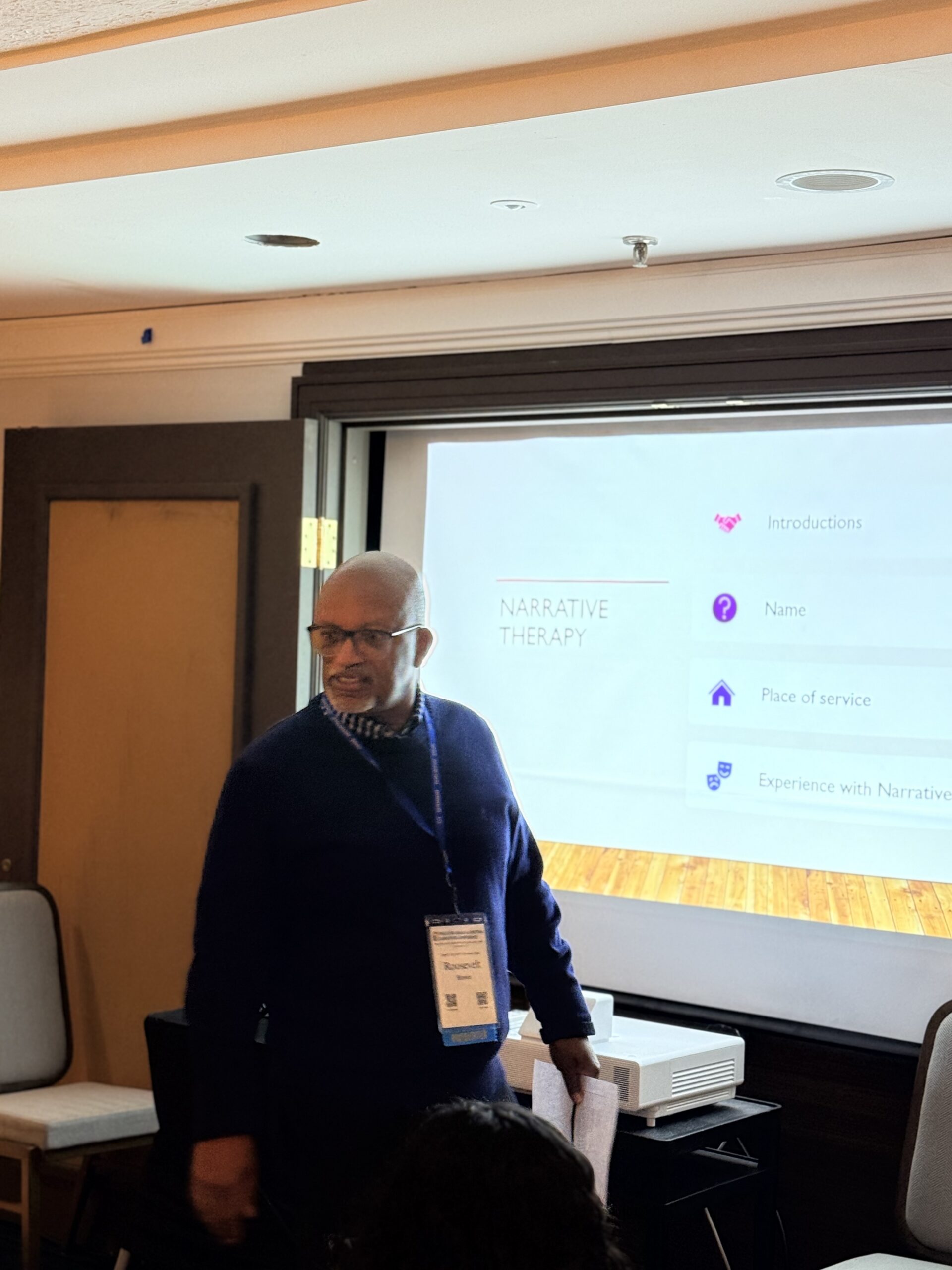
Rev. Dr. Roosevelt Brown Facilitiates Learning Experience Day 1
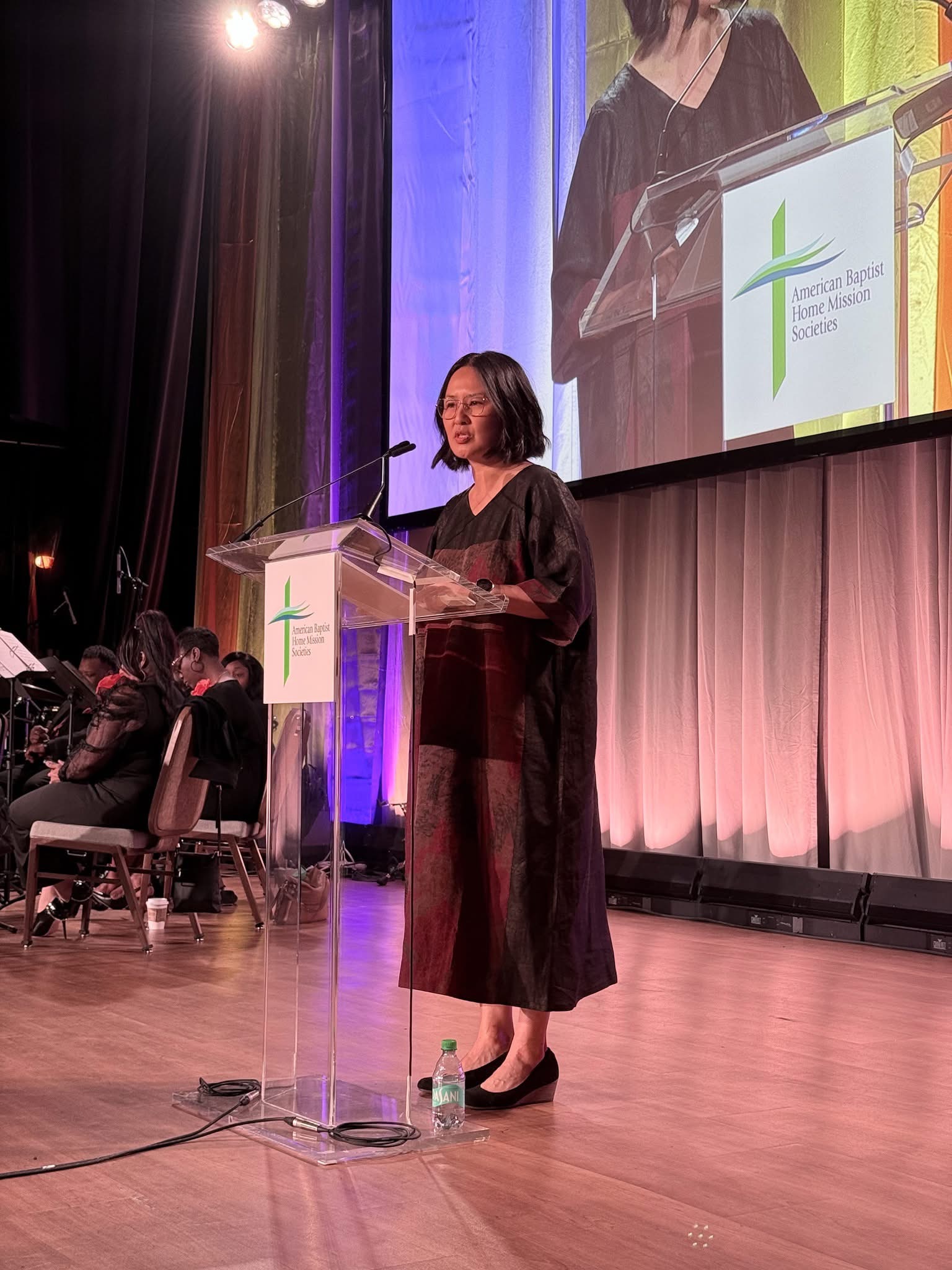
Rev. Dr. Lauren Lisa Ng delivers morning plenary address, Apr 21, 2026

Rev. Dr. Lauren Lisa Ng at Book Signing
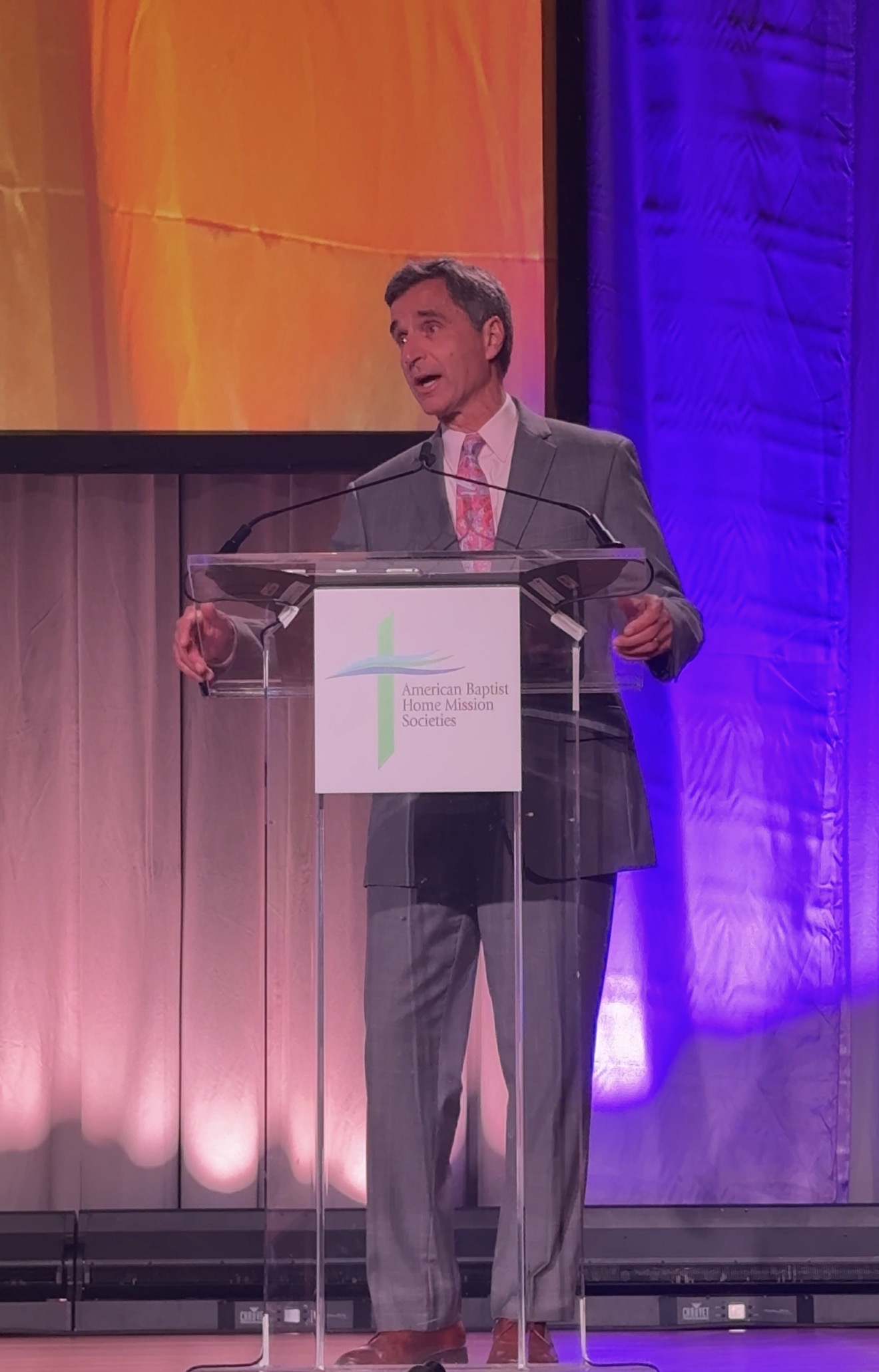
Screenshot
Screenshot
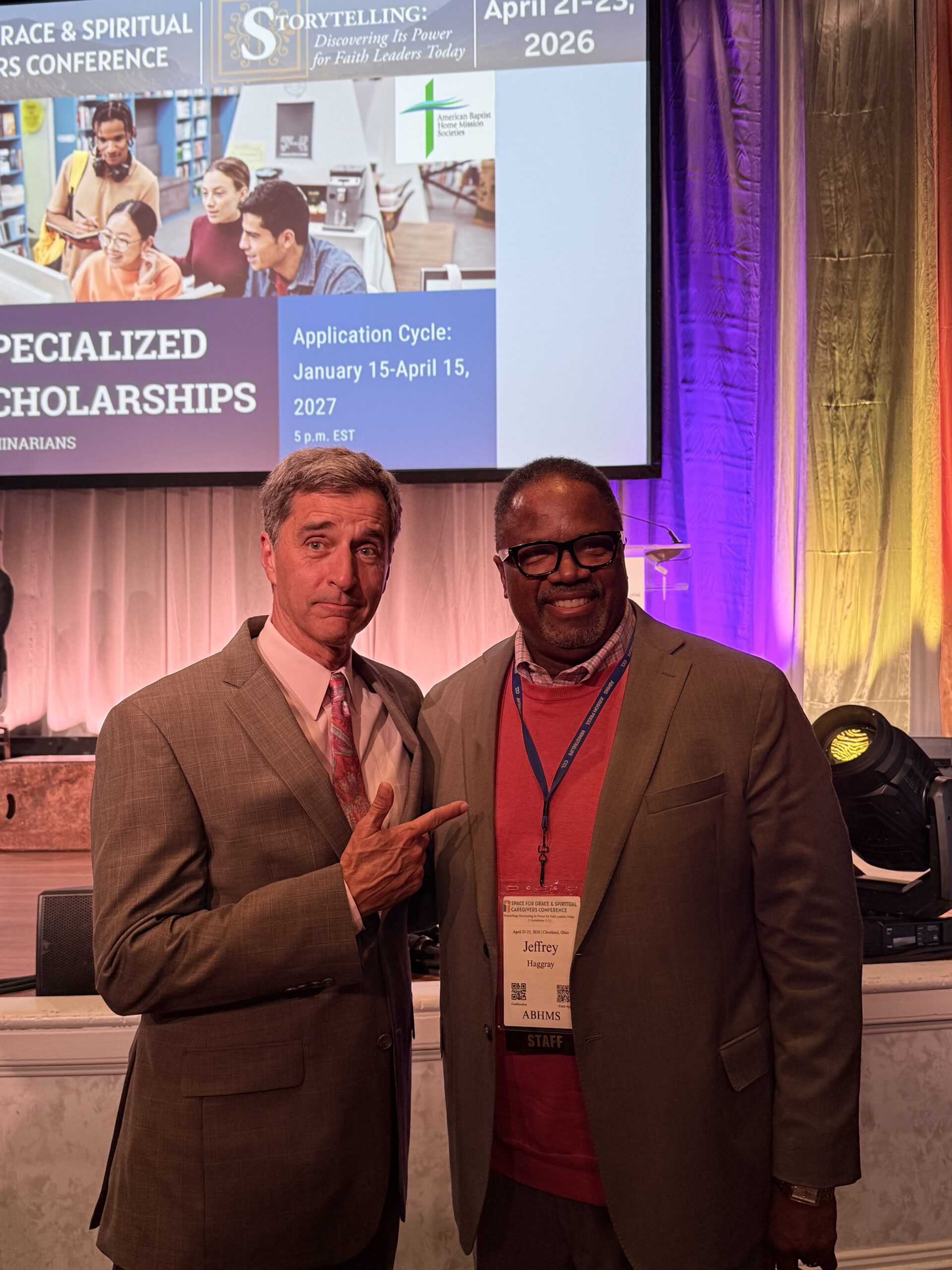
Rev. Dr. Jim somerville and Dr. Jeff Haggray Evening Plenary Day 1
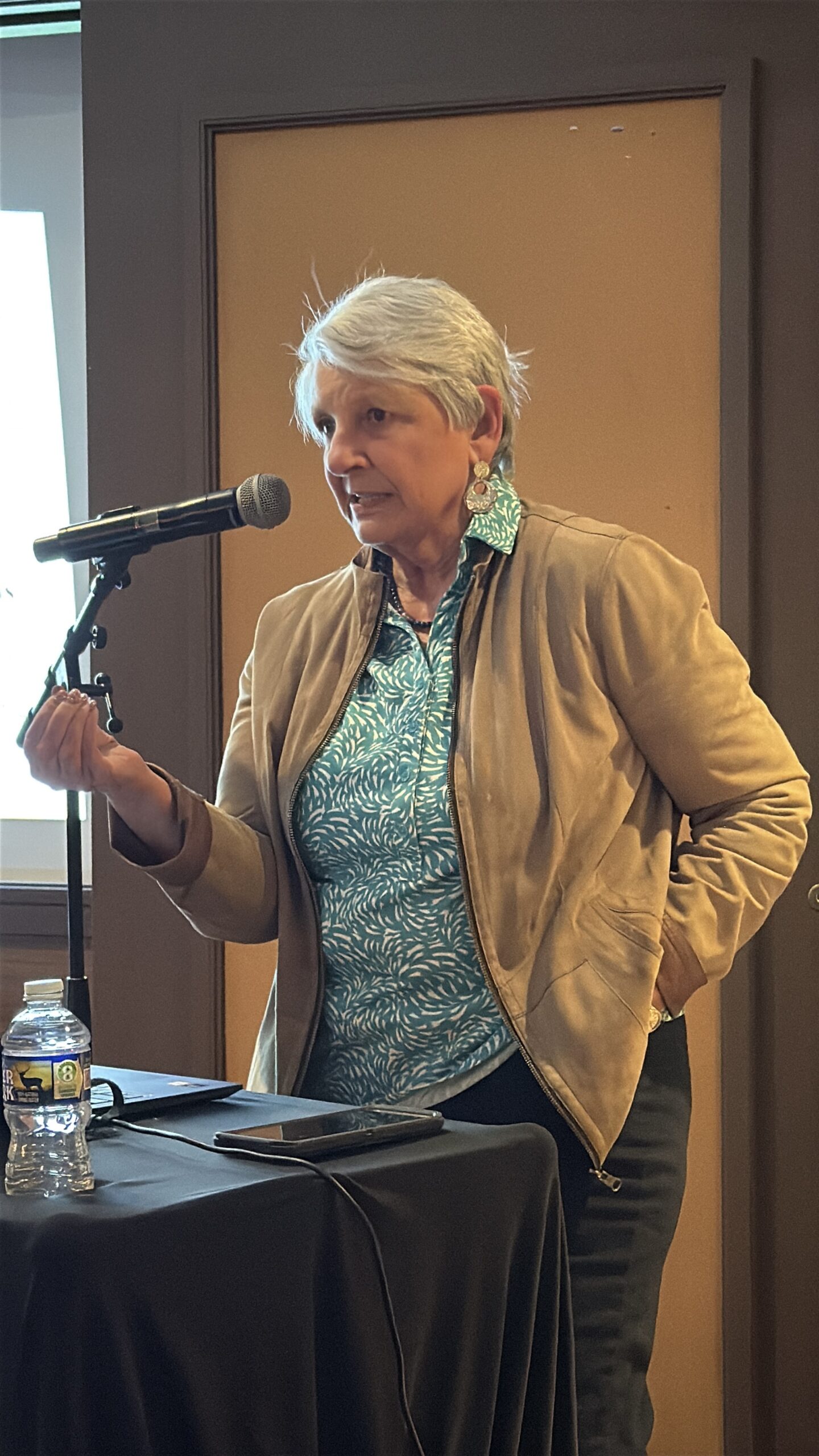
Rev. Dr. Jan McCormack Facilitates Learning Experience Day 1
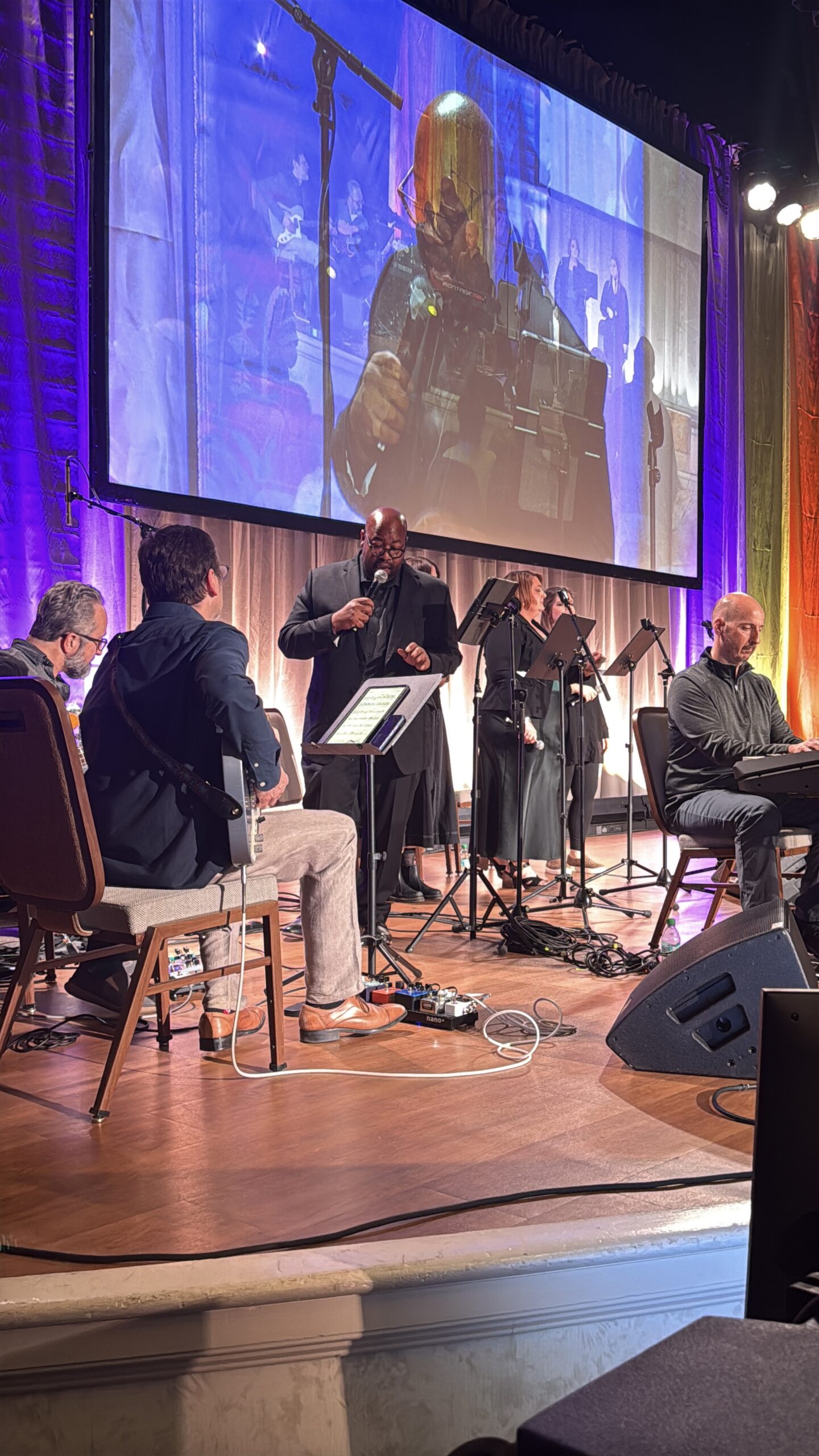
Music Ensemble at Evening Plenary Day 1
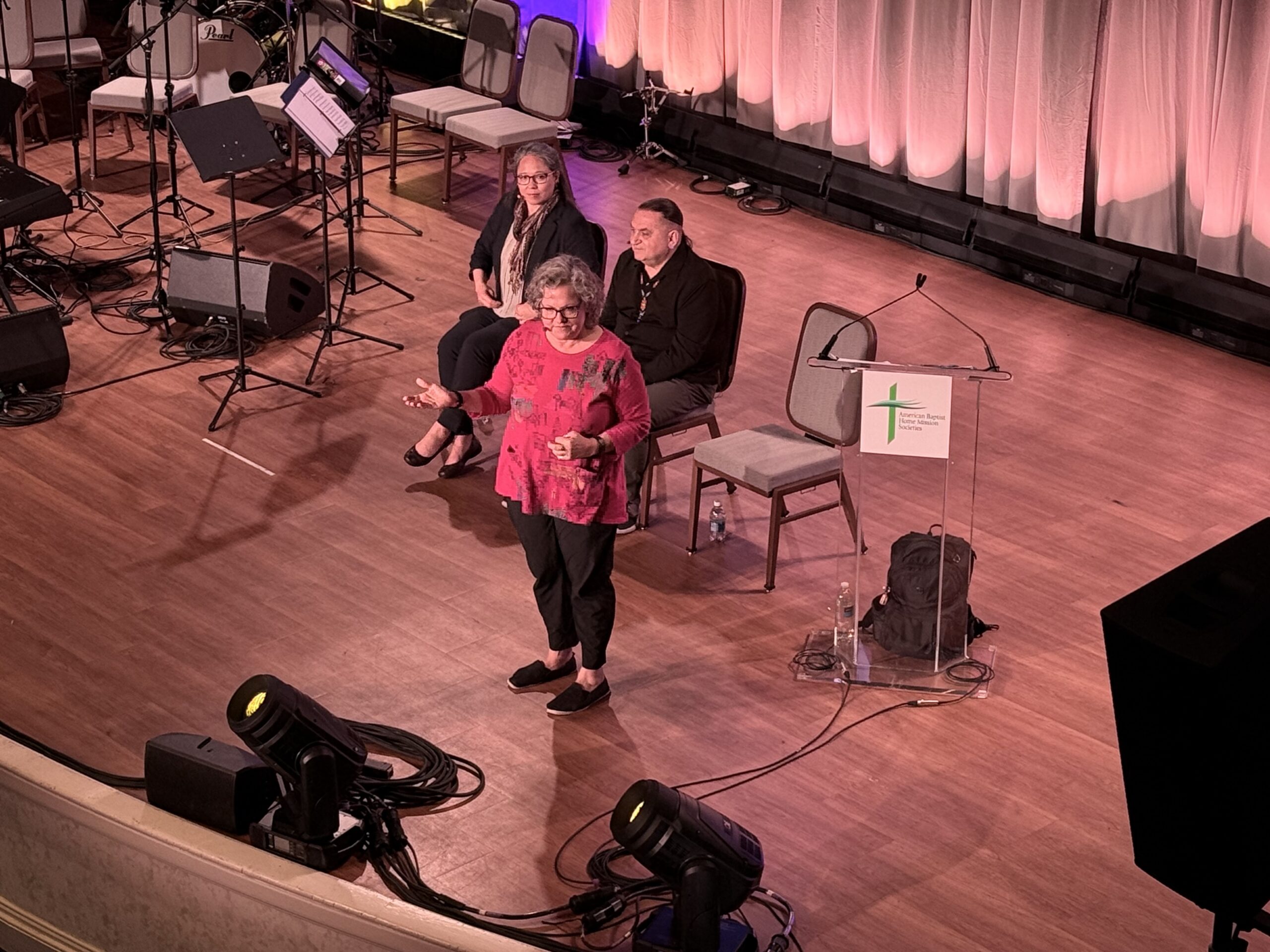
Conferencewide Storytelling Teach-In Day 1
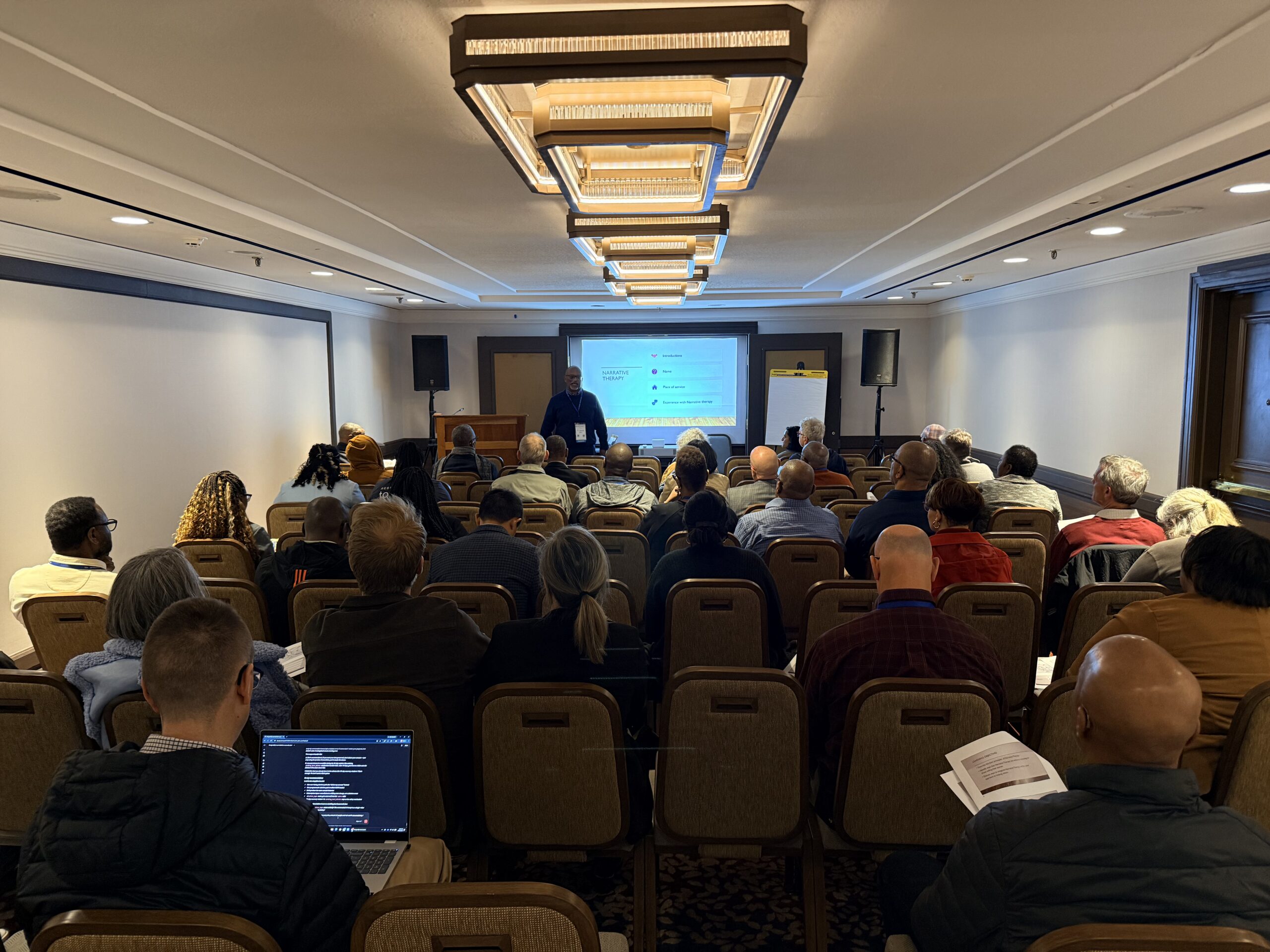
Conference Attendees Engrossed in Afternoon Learning Experience Day 1
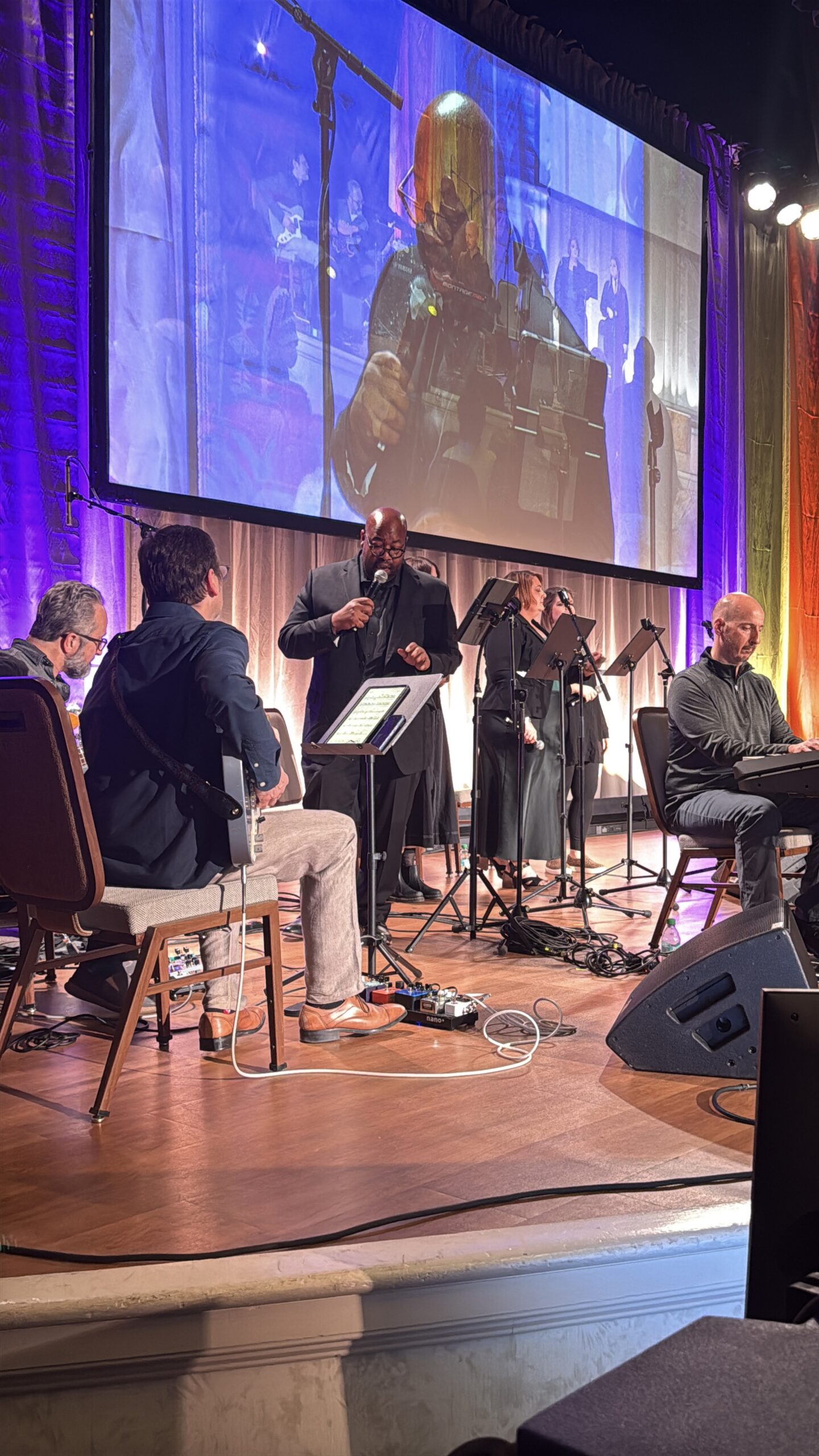
Cleveland Music Ensemble at Evening Plenary Day 1
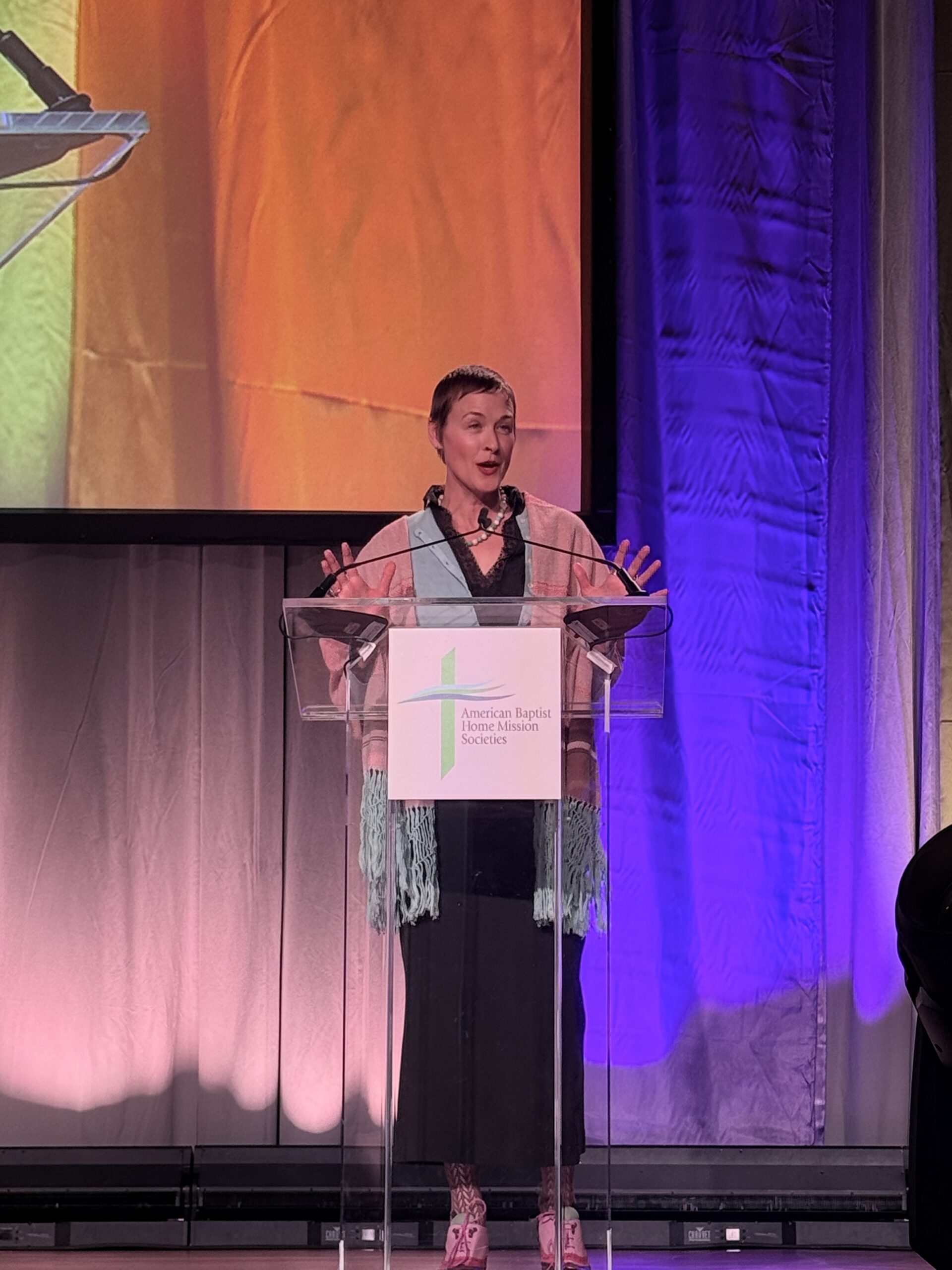
ABHMS Board Member Jamie Washam Introduces Speaker Lauren Ng Day 1
Worship Plenary Reflections, Day Two
The second day of the conference opened with uplifting hymns and another thought-provoking skit by The Friends of the Groom Theater Company.
In a park, a man is being interviewed about God’s work in his life. As he struggles to answer, the interviewer steps away to take a phone call. Another woman approaches him. Looking scruffy, rummaging through nearby trash cans, she clearly doesn’t inspire his confidence. Nevertheless, they begin talking. The woman introduces herself as the Holy Spirit. Pointing to an imaginary social media timeline, she shows him unfamiliar photos of him and his son reading the Bible together; of the surgeon who performed an emergency appendectomy on him; and, finally, of a wrecked car that the man recognizes as belonging to his daughter’s boyfriend. They had the accident two weeks earlier but never told him about it. “It was that night when you woke up at 3 a.m., praying for your daughter’s safety,” says the woman. “I planted the tree that stopped their car from falling into the river.” At that point, the man realizes that God has been present in his life all along.
The man thought he had no story of Divine presence of his own, but the Holy Spirit showed him that he had many such stories and that he is part of God’s plan. “Sometimes I’m doing things through you, and you don’t even know it,” says the woman, and she leaves.
Only when we accept the stories written by the Spirit are we ready to act on them in transformative ways. Rev. Dr. Tisha Dixon-Williams delivered a morning message that drove the point home. Drawing a parallel between playing a vintage arcade video game and the resurrection of Tabitha/Dorcas/Gazelle by Peter in Acts 9:36–43, she explained that stories written by the Spirit don’t merely describe life; they are life-giving.
Tabitha, whom Dixon-Williams powerfully described as a woman of color and “the Church Mother,” symbolizes the community; the cloak Tabitha created, which the widows present to Peter, represents the intersecting lives and stories. It is woven; it is embodied. Tabitha’s resurrection indeed happened before Peter walked into the room, because her story was stitched into the community through her love for the vulnerable and the needy. Tabitha performed her own resurrection through her faithful work. And so, we realize that resurrection is not something that happens to us; it happens through us.
It is of utmost symbolic importance that Peter raised Tabitha from the dead in the same way Jesus revived the daughter of Jairus in Mark 5:41-42. He used the same words as Jesus, “get up.” This act brings comfort: we learn that Jesus’ healing ministry is at work through his disciples and continues through the community of believers. Resurrection happens again and again.
Playing Beast Busters is a powerful metaphor for disrupting death and opening the possibility of future life. As her game character was about to die from injuries, Dixon-Williams searched her pockets for a quarter to “cheat death” and keep playing. But then she remembered that the arcade clerk had told her earlier that she did not need quarters to continue playing. “Just press the reset button,” they said. The reset button is resurrection. We all have that reset button if we want to press it. “And the best part is,” concluded Dixon-Williams, to the audience’s enthusiastic applause, “that Jesus doesn’t need quarters.”
During the Chaplaincy Luncheon, Reverend Dr. Patricia Murphy, BCC, presented the 2026 Merit Awards to:
- Ch. Lt. Kwee Say, USN, recipient of the Lorraine K. Potter Military Chaplaincy Merit Award
- Rev. William “Bill” Davis, M.Div., BCC, LCSW, recipient of the Paul W. Strickland Institutional Chaplaincy Merit Award
- Rev. Patricia Wilson-Cone, Ph.D., PC, RBCC, recipient of the Carolyn M. Piper Pastoral Counseling Merit Award
- Rev. Jeffery Garland, D.Min., MFT, BCC, recipient of the American Baptist National Network Leadership Merit Award
- Rev. Janet McCormack, D.Min., APC, RBCC, ACPE/CE, AAPC/PEC, recipient of the John I. “Jack” Gleason Ecclesiastical Endorser Award
The luncheon speaker, Ch. (Dr.) Brig Gen John Painter, USAF (Ret), spoke about storytelling as the formation of faith, something at the core of our identity and vocation. He made three distinct points about the role of stories in our lives. We do not choose how our story begins, but we can choose how we respond to these beginnings. We can also use our story to make an impact on others’ lives. Painter invoked characters from across Scripture to illustrate his reflection: Job, as an example of obedience to God’s will; Pharaoh, as an example of resisting God’s will; and Joseph, Esther, the good Samaritan, and many others. Stories can become a path toward overcoming adversity and can be used to serve others. Chaplaincy is, in fact, a ministry of story-bearers, because by sharing stories, they can offer a path to healing and release. Thus, the story itself becomes ministry.
Kat Armas, a theologian and author of the books “Abuelita Faith,” “Sacred Belonging,” and “Liturgies for Resisting Empire,” spoke at the Dinner Cafe gathering. Her talk echoed the theme of embodied theology from Dixon-Williams’ morning address. Drawing on a Mi’kmaq origin story about an ancient grandmother named Nukumi, who was saved by a wolf sent by the Creator, Armas showed how survival can lead to sacred transformation and how embodied life itself becomes theology. “We don’t need to spiritualize survival to make it holy,” Armas said. She called for an “Abuelita (grandmother) theology,” which finds God in kitchens, at tables, in salons, at borderlands—places where life is lived to the full. Abuela was a theologian through cooking, sewing, dancing, and playing dominoes.
Armas critiqued what she called the “disembodied” theology, all too often drafted to serve the Empire. The Empire hijacks stories; it twists them to suit its own ends. It controls the narrative by pretending that violence is necessary and that dominance is protection. Armas highlighted women of Scripture: Rizpah, Tabitha, and Miriam, who laid the foundations for the embodied Abuelita theology. In doing so, Armas reframed storytelling as a sacred act that resists Empire by grounding theology in the realities of everyday life.
At the end of the evening, Dr. Jeffrey Haggray, ABHMS executive director, presented National Treasure Awards to:
- Dr. Susan Gillies, former interim general secretary, ABCUSA
- Rev. Donald Ng, former ABCUSA president
- Rev. Dr. Aidsand F. Wright-Riggins, former executive director, American Baptist Home Mission Societies
ABHMS established The National Treasure Award to honor faith leaders, institutions, or local churches that have made exceptional contributions to advancing the values and principles that have guided ABHMS since its founding in 1832—Christian faith, leadership, justice, discipleship, and service.
By Rev. Dr. Anna Piela, ABHMS senior writer and editor of The Christian Citizen.
To experience sessions from the 2026 Space for Grace & Spiritual Caregivers Conference, order S4G+ today! Visit here for more information.
Images from Day Two
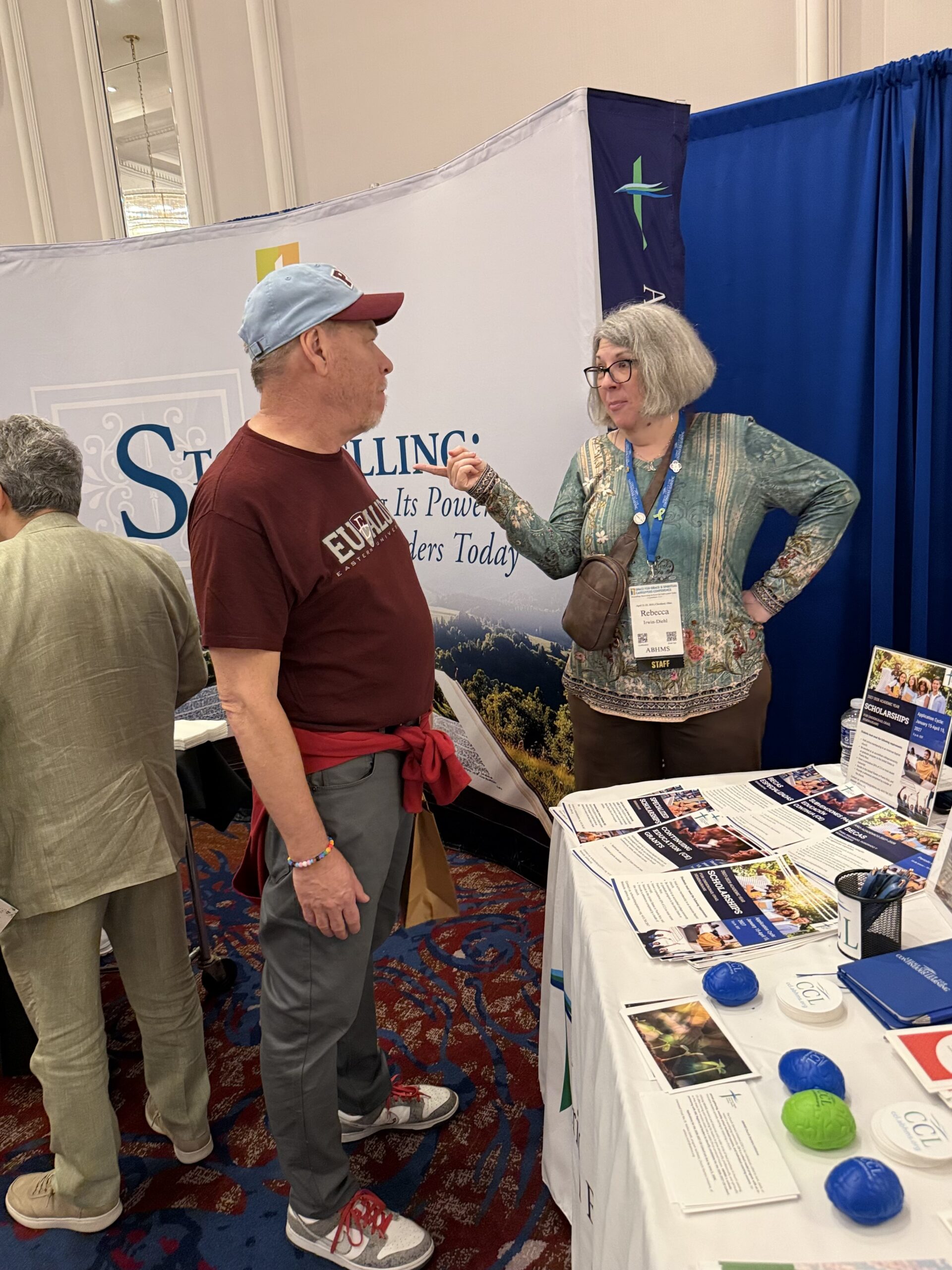
Conference attendee and CCL Director Rebecca Irwin-Diehl in the Exhibit Hall at Space for Grace Apr 22 2026
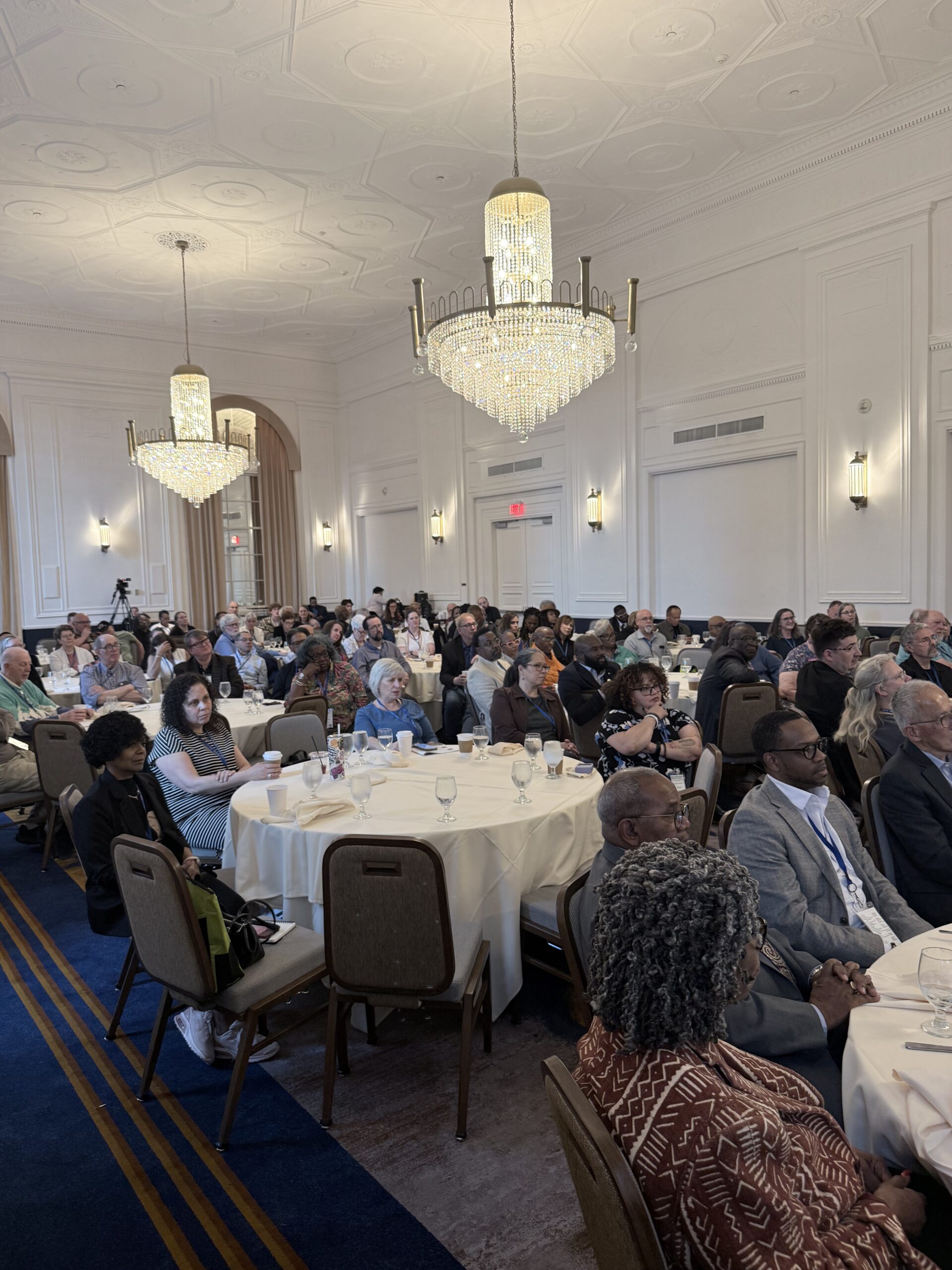
Dinner Cafe at Space for Grace Apr 22 2026
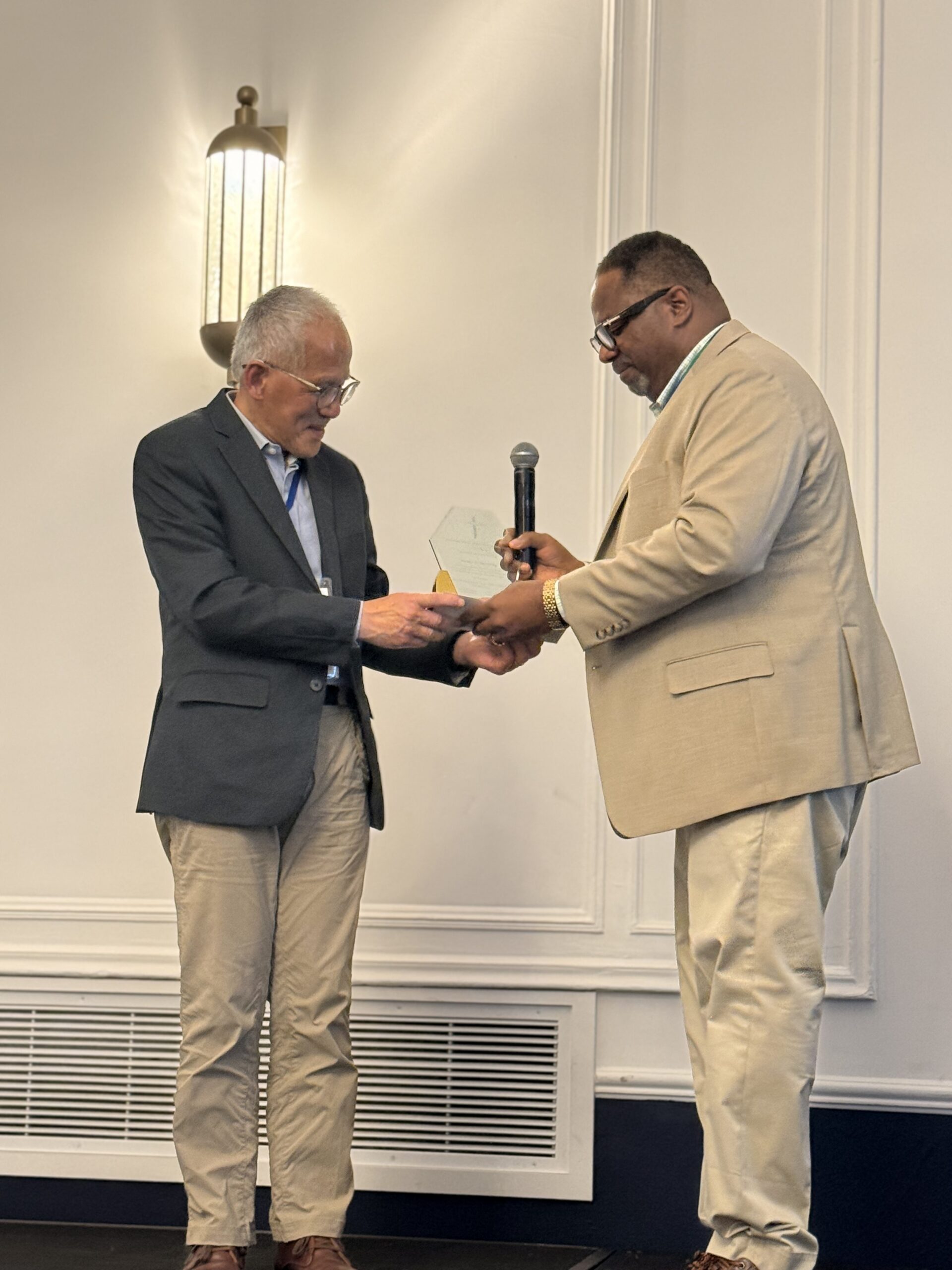
Don Ng received National Treasure Award from Jeffrey Haggray at Space for Grace Apr 22 2026

Glen Porter at Book Signing during Space for Grace Apr 22 2026

J. Marshall Shamall at book signing during Space for Grace Apr 22 2026
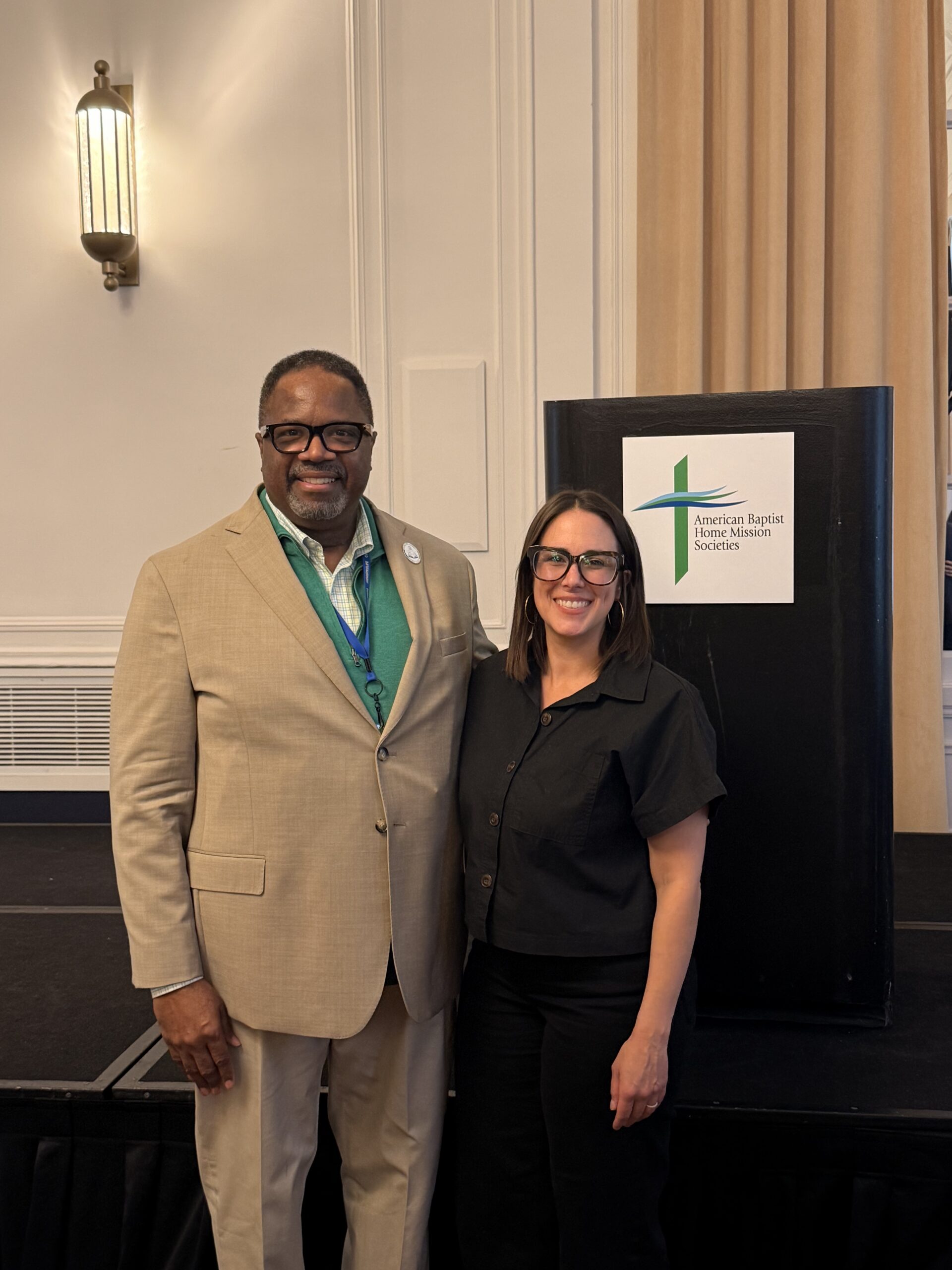
Jeffrey Haggray and Kat Armas at Dinner Cafe Apr 22 2026
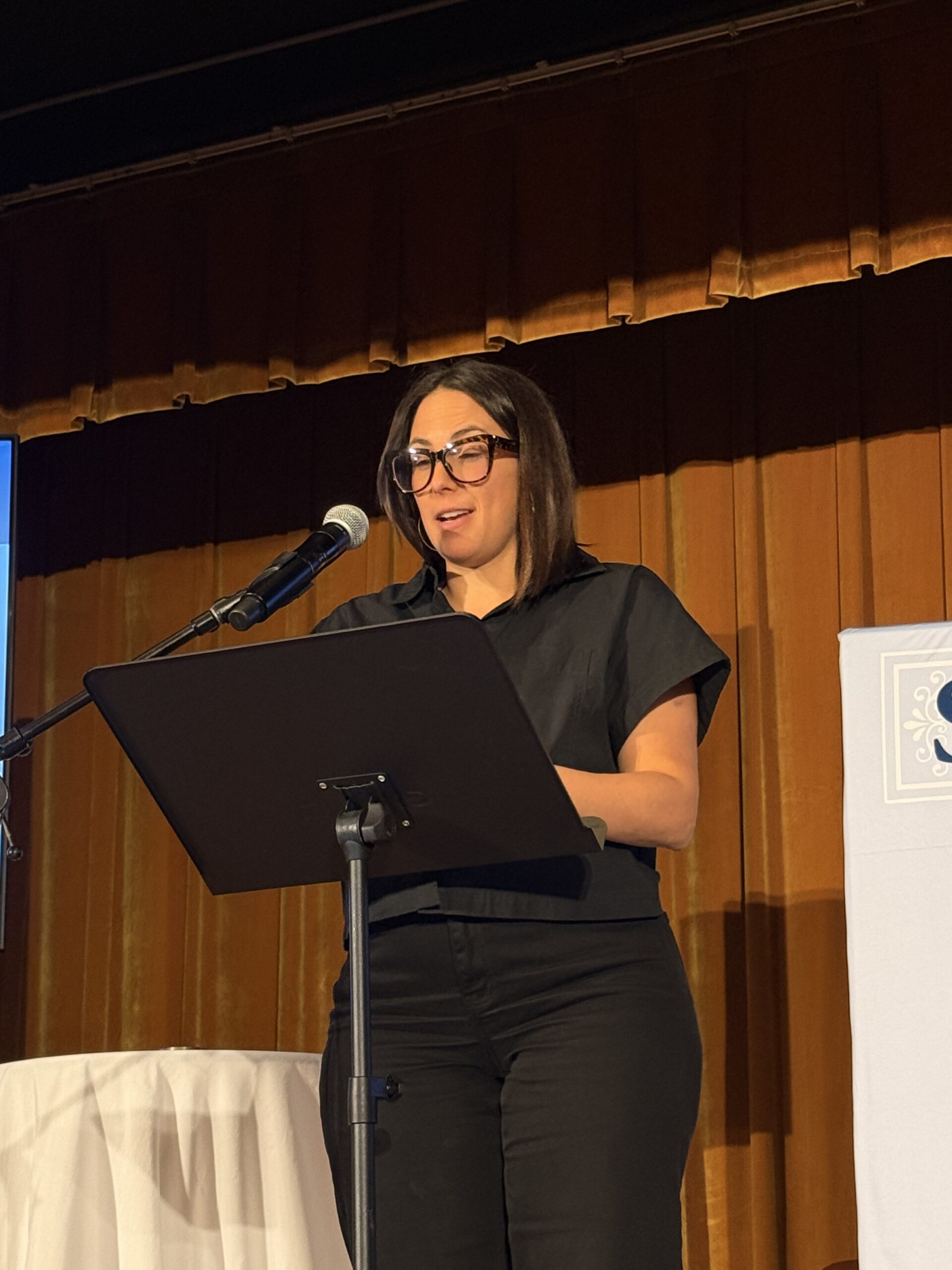
Kat Armas at Innovators Hall Apr 22 2026
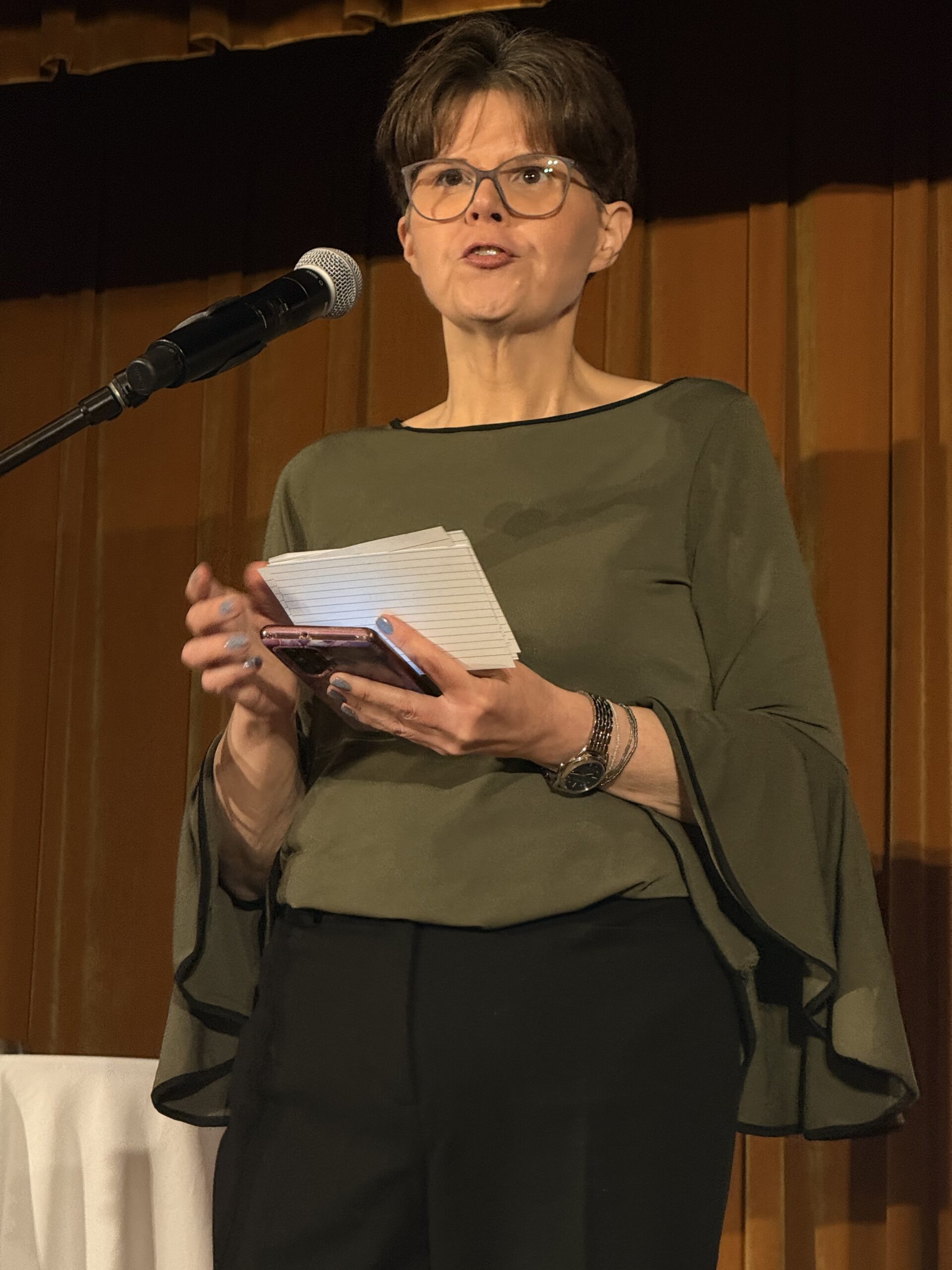
Meg Biddle at Innovators Hall Apr 22 2026

Poster Presentation in the Exhibit Hall during Space for Grace Apr 22 2026
Worship Plenary Reflections, Day Three
The final day of the conference began with another performance by The Friends of the Groom Theater Company. This morning, they enacted “The Parable of the Lifesaving Station,” often attributed to Episcopal priest Theodore Wedel. The lifesaving crew at a lighthouse is so successful at rescuing people from shipwrecks that its supporters begin fundraising and expanding it, turning it into an oversized but impotent institution. Its critics leave the group to build another lighthouse and set up another lifesaving station, but the history repeats itself until there are several tall lighthouses in the area…that do nothing and let people drown. This story is a powerful metaphor for the institutionalization of churches. When churches begin to care more about their own comfort and advancement than about those who suffer, they lose sight of the Gospel and fail in the task bestowed on them by our Lord Jesus Christ to bear witness to God’s love in the world.
During the morning worship, American Baptist Home Mission Societies honored the memory and life of Rev. Kenneth Sullivan and the faithful service of the entire Sullivan family, including Rev. Brenda Sullivan and Rev. Ben Sullivan, who said, “My dad was an example of God’s grace. He chose to walk alongside the Native people with dignity and honor.”
Dr. Harold Recinos began his address with a bold question. After citing the renowned Black liberation theologian, Rev. Dr. James Cone—”The church is where wounds are healed and chains are broken”—he asked: “Are we this church?” Interweaving his message with the core conviction of liberation theology that the church is charged by the Gospel to stand with and lift up the oppressed, he told the story of his life to illustrate both times when the Church fails and times when it fulfills its role faithfully. A son of a Guatemalan father and a Puerto Rican mother, he was born into a troubled family in the South Bronx. His childhood ended when he became homeless at 12 and a target of street violence. He became dependent on heroin. Despite these profound obstacles, Recinos’s story was driven by an incredible survival instinct. He was saved, he said, by an act of radical hospitality from a Christian clergyman who invited him into his family and home.
“I was by then a very seasoned junkie who felt the language of salvation was a joke,” recalled Recinos. His encounters with churches during his homelessness were deeply disappointing. They neither knew nor wanted to know about the immense suffering just steps away from their sanctuaries. When he reached out to them, they said they lacked the structures and resources to help him. In his address, Recinos was crystal clear: You can never encounter God while ignoring suffering. Faith is much more than belief; it is action. It is inviting an unhoused, drug-using teenager into your home and saving their life.
Using the parable of the Good Samaritan, Recinos argued that your neighbor—who you are to love like yourself—is not necessarily the person who lives next to you, but the one toward whom you choose to move. This definition is important because organized religion often defines “neighbor” narrowly, based on the same race or language. Faithful love of the neighbor is costly and boundary-crossing, yet this challenging, practical love is what matters in God’s plan.
In his evening plenary talk, “Separation of Church and Hate,” Rev. Dr. Otis Moss III centered on John 13:34-35 to make his central claim that Christianity must be defined by love. “Love one another as I have loved you” is a commandment that is a measure of discipleship. The performative version of Christianity merely uses Jesus as a team mascot, an ornament without power. “Churches preach Jesus,” Moss said, “but they don’t preach what Jesus preached.” He pointed out that if Jesus is to be central to our faith, we must reject racism, sexism, homophobia, xenophobia, and other forms of cruelty. Slogans are not enough; like all previous keynote speakers, he emphasized that faith must be embodied and lived out. Using the metaphor of a broken piano that can still be beautifully played, Moss gestured to how people are often broken or flawed, yet God creates purpose and beauty through us. Love requires confronting one’s ego and engaging difference, which makes it a difficult and ongoing project.
The final part of Moss’s address was a story about visiting a dying man who had been rejected by his church and family. “The man sang “the most beautiful rendition of ‘Total Praise’ I have ever heard,” Moss said with emotion. Then the man began praying for his pastor and his family. “I walked into that room as a pastor and walked out a parishioner,” Moss concluded to high-spirited applause, illustrating that love shines most brightly through vulnerability and unexpected grace.
By Rev. Dr. Anna Piela, ABHMS senior writer and editor of The Christian Citizen.
To experience sessions from the 2026 Space for Grace & Spiritual Caregivers Conference, order S4G+ today! Visit here for more information.
Images from Day Three
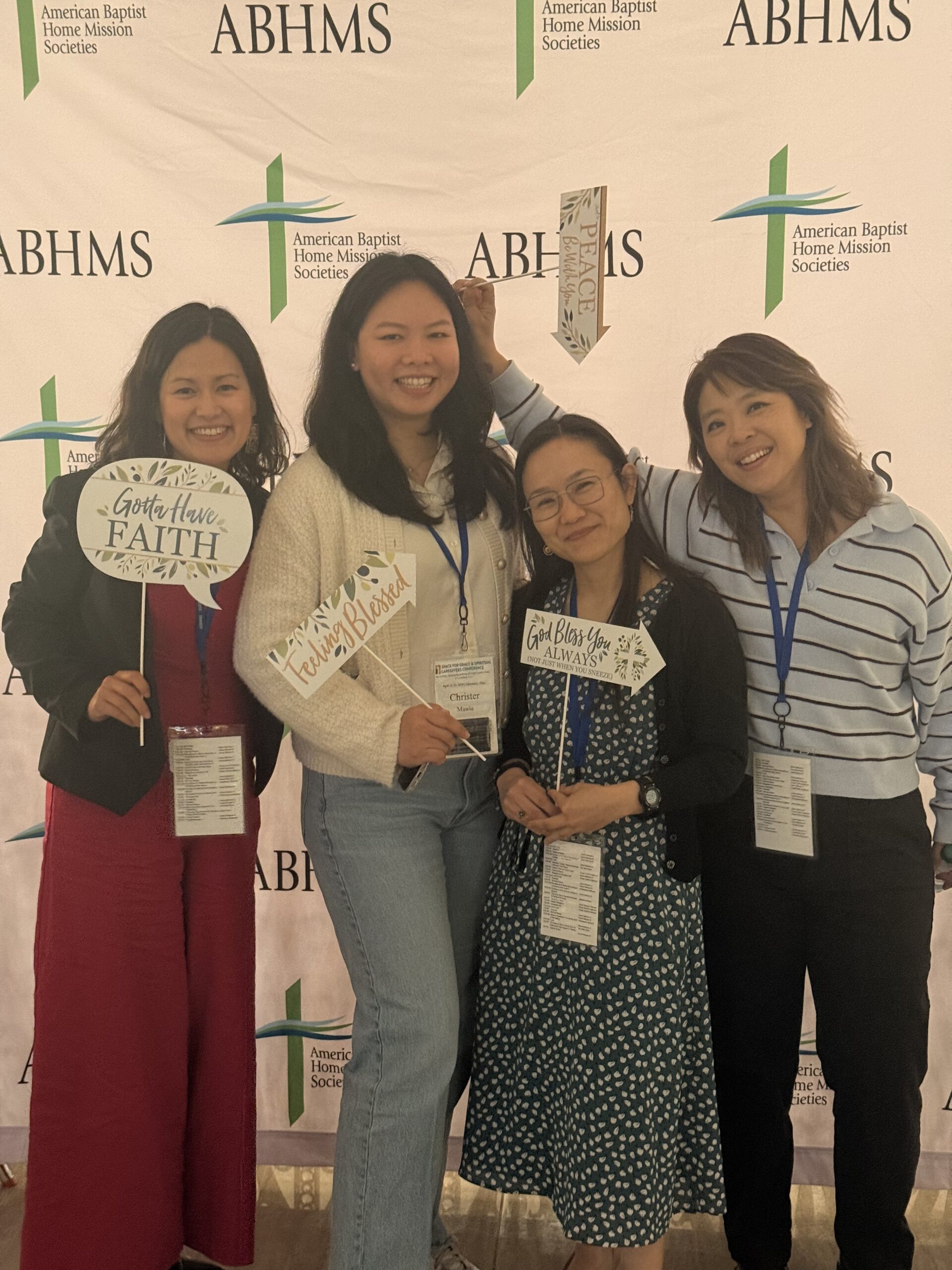
Action at the S4G Selfie Station, Apr 23 2026
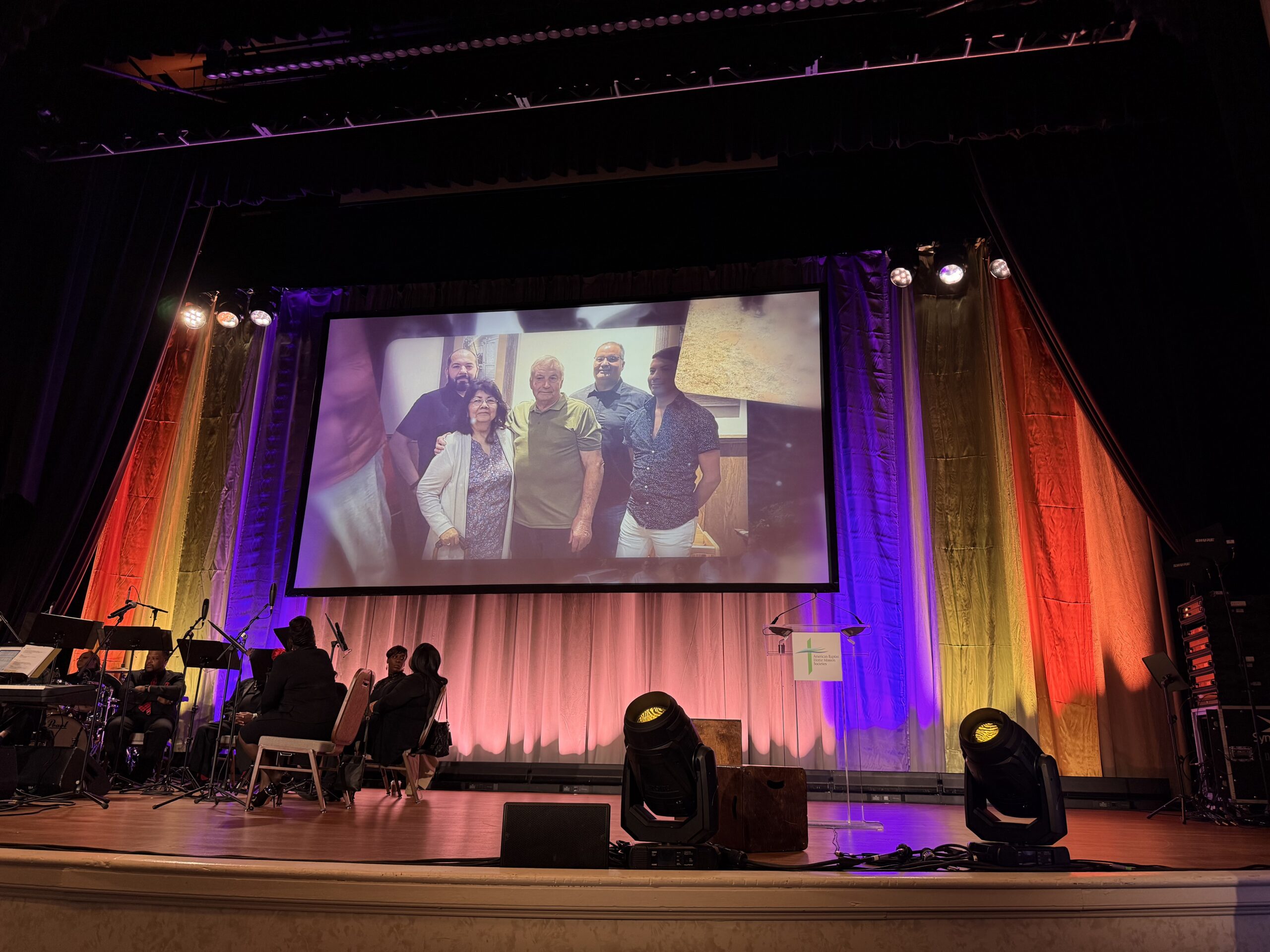
Celebration of the late Rev. Ken Sullivan, Apr 23 2026
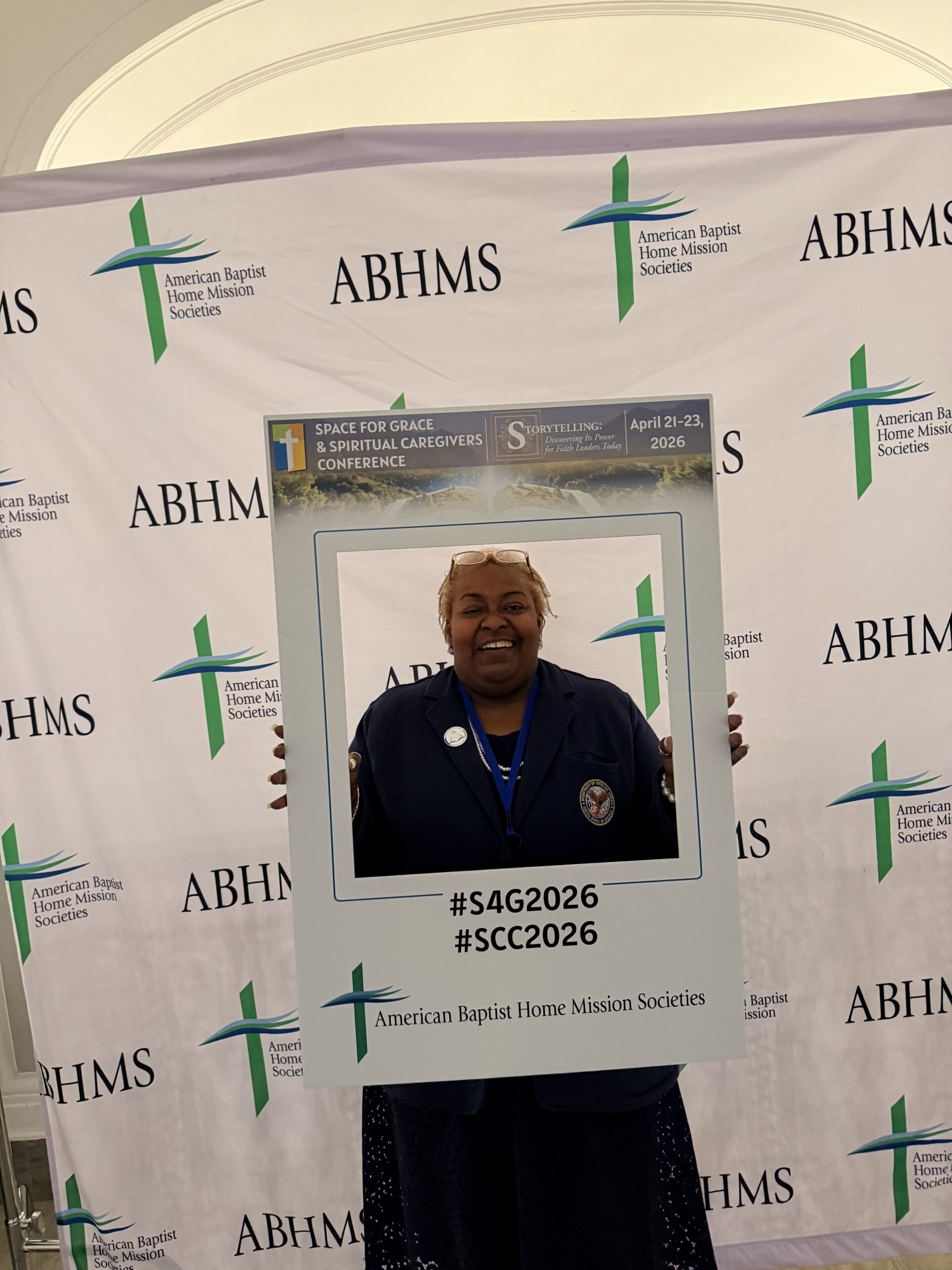
Conference attendee at the S4G Selfie Station, Apr 23 2026
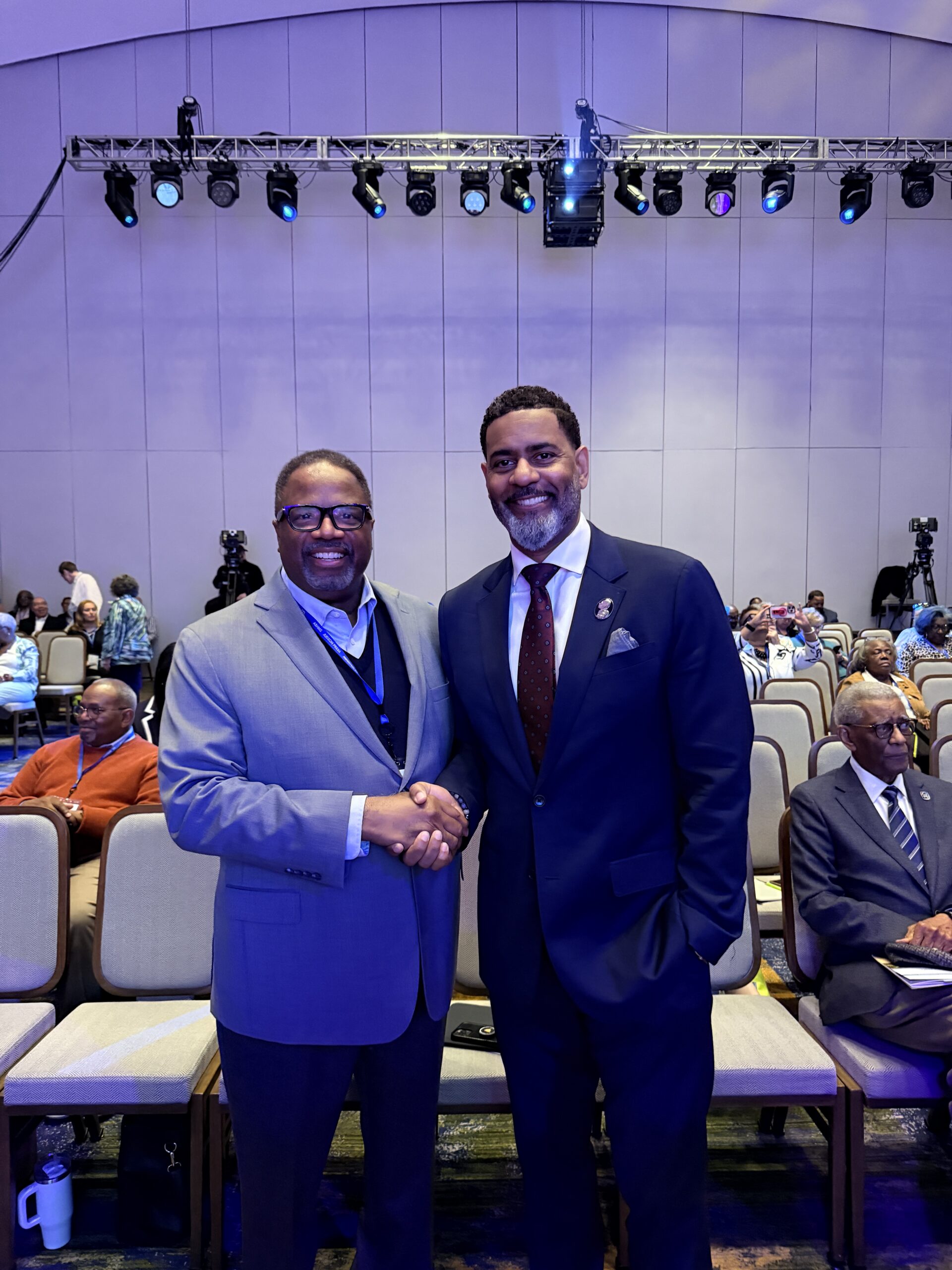
Dr. Jeffrey Haggray with plenary speaker Rev. Dr. Otis Moss III, Apr 23 2026
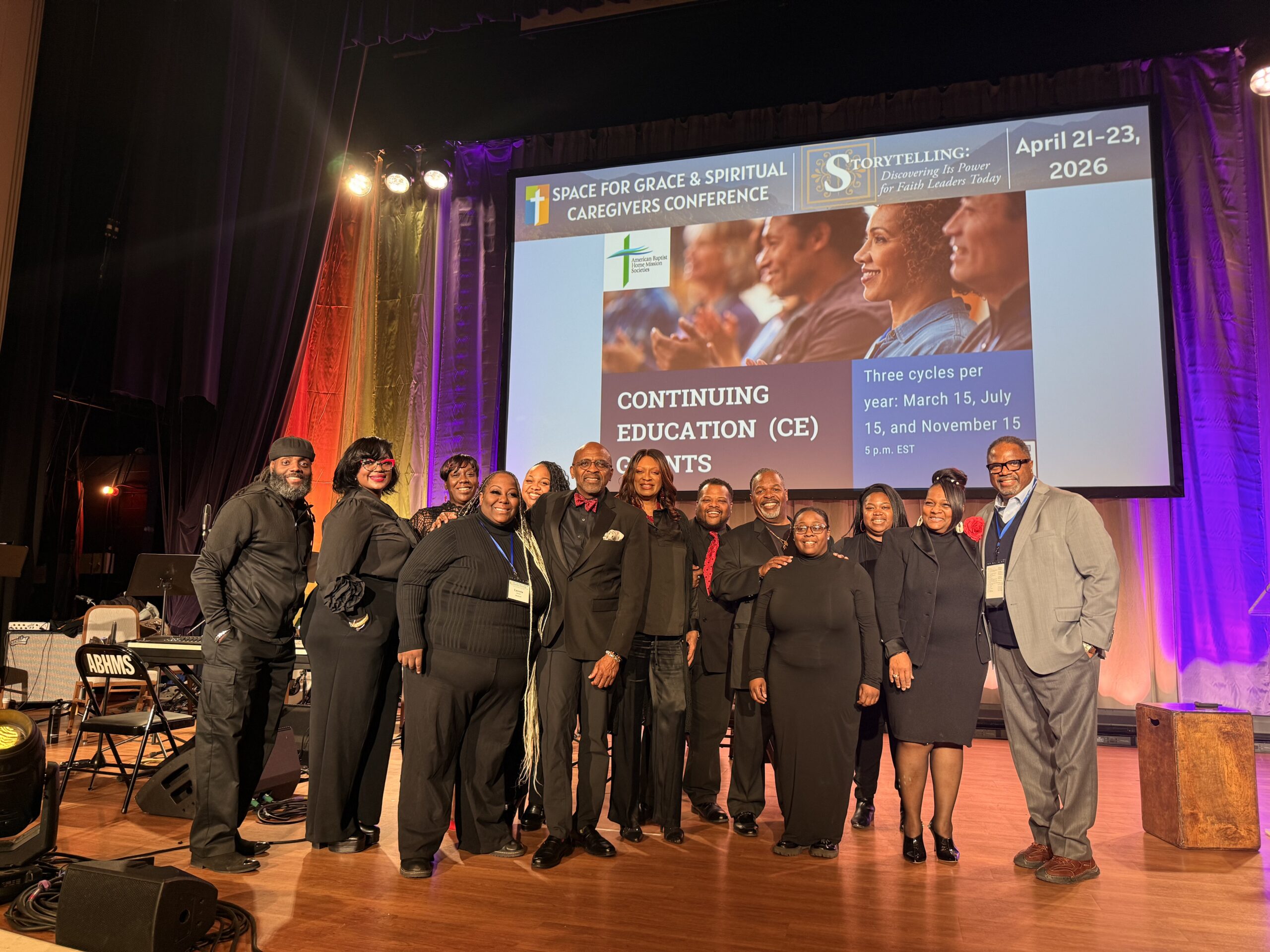
Dr. Tony McNeill surrounded by S4G musicians and singers, plus Dr. Jeff Haggray
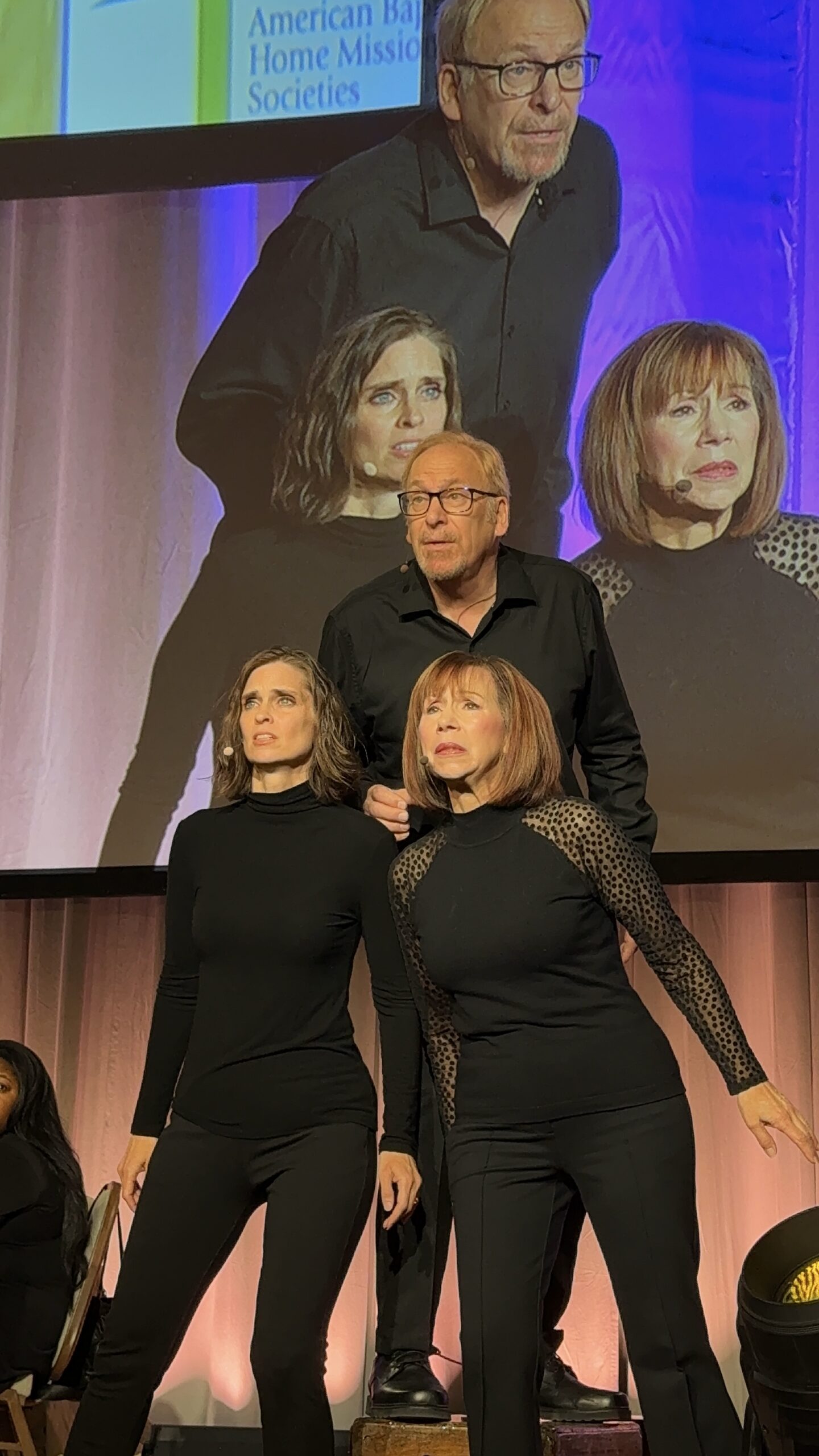
Friends of the Groom Christian Theater Company, Apr 23 2026
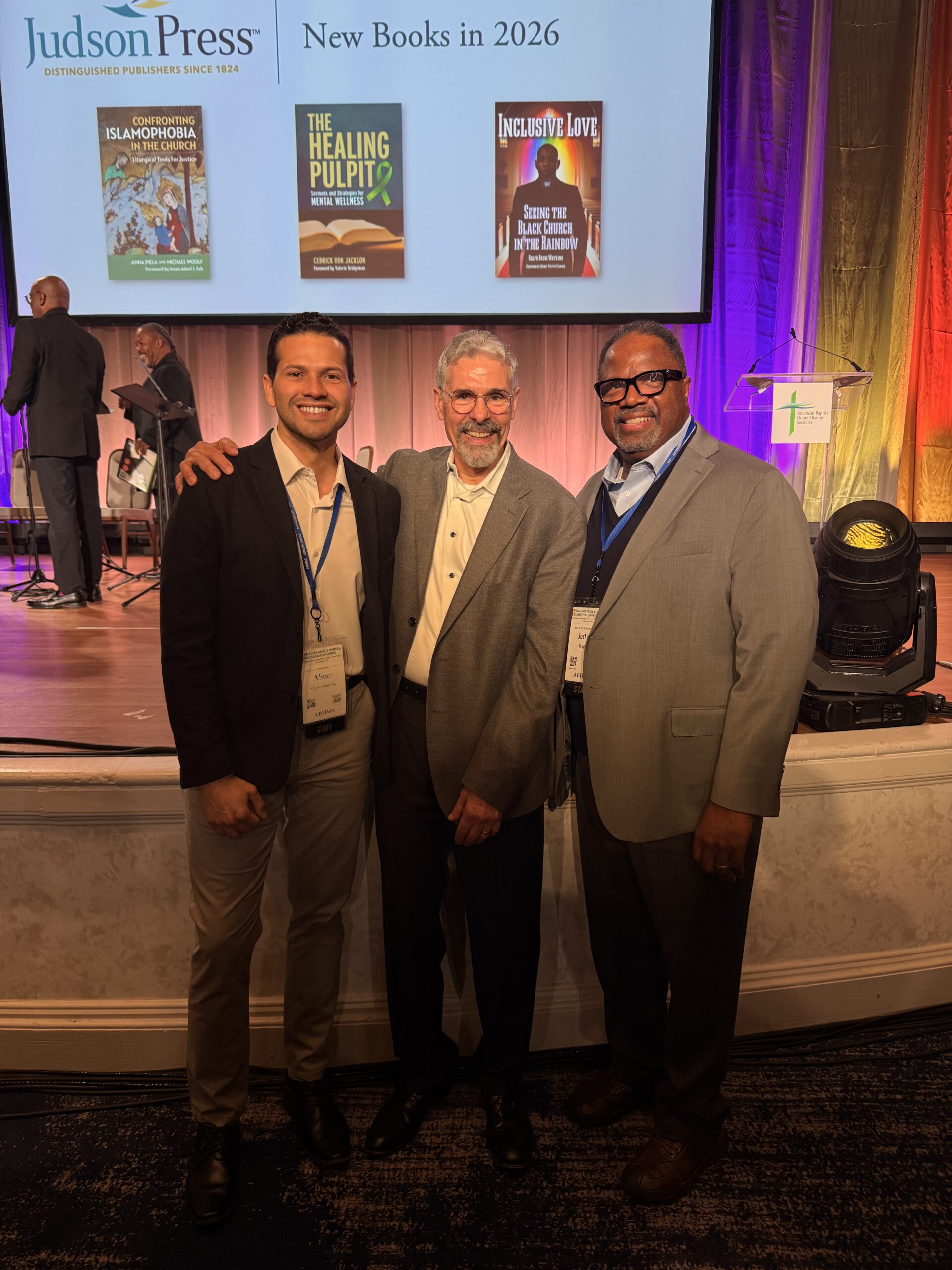
Plenary Speaker Dr. Harold Recinos flanked by Abner Cotto-Bonilla and Jeffrey Haggray_Apr 23 2026
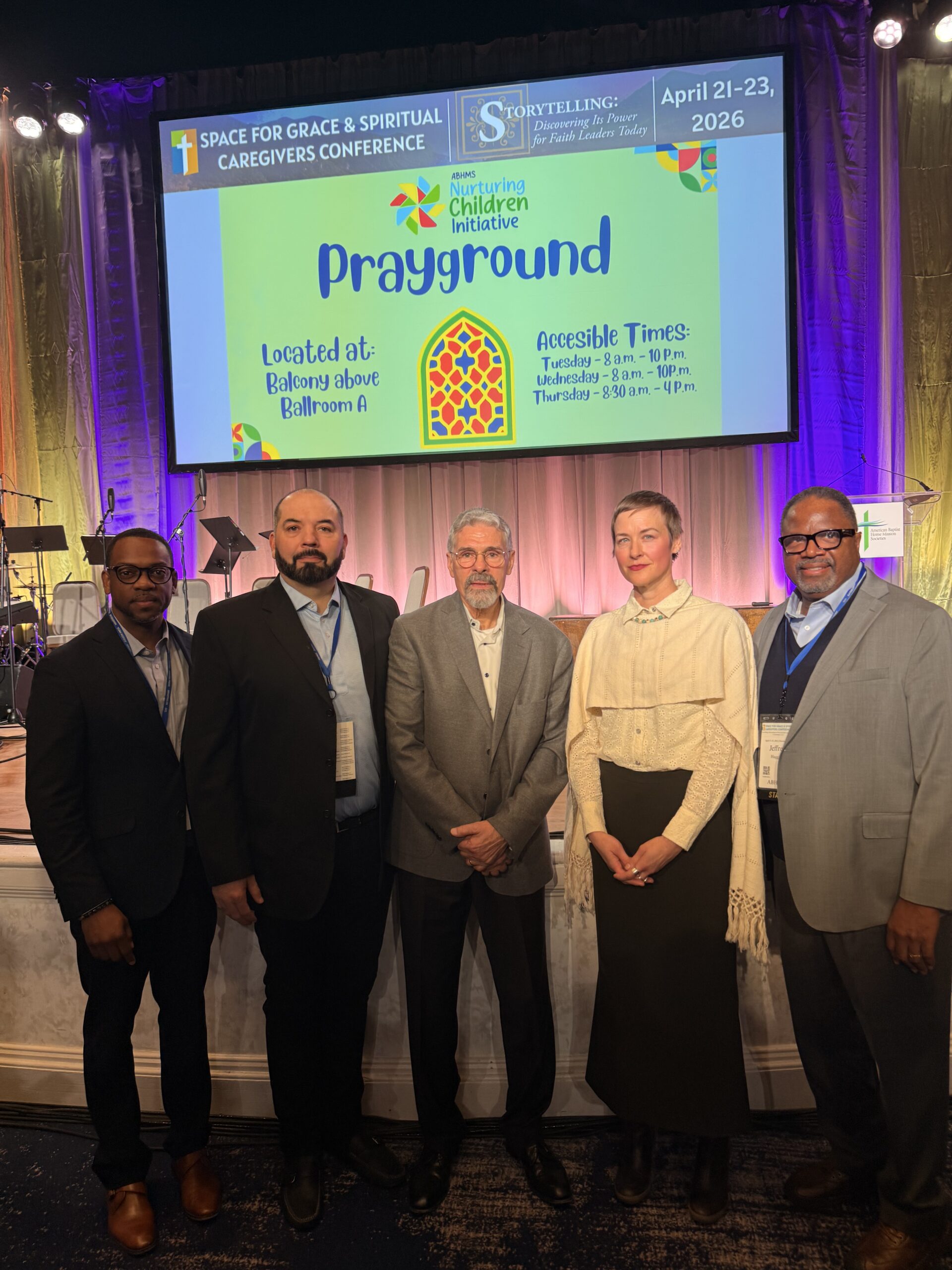
Plenary Speaker Dr. Harold Recinos joined by ABHMS leaders_Apr 23 2026
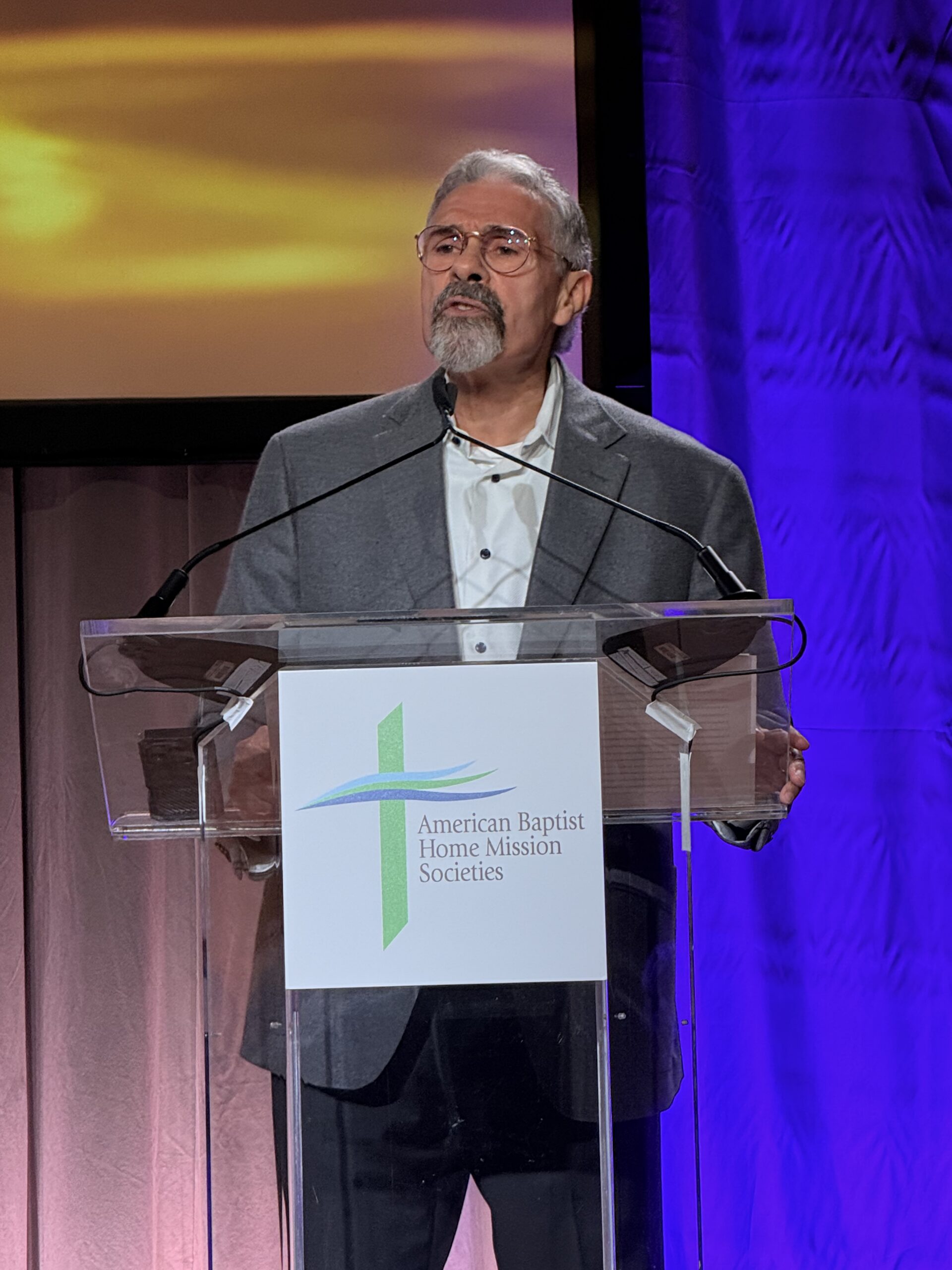
Plenary Speaker Dr. Harold Recinos, Apr 23 2026
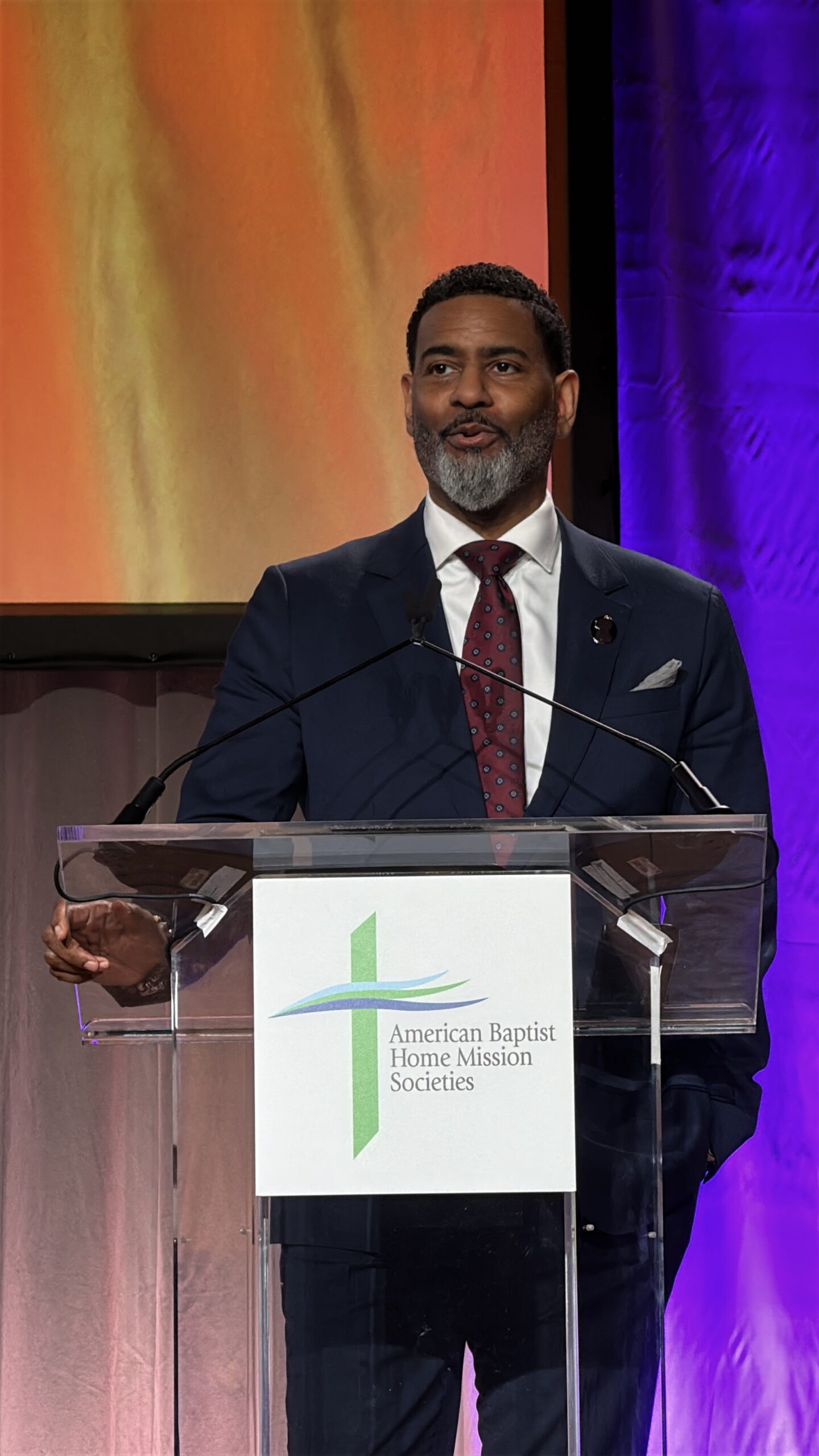
Plenary Speaker Rev. Dr. Otis Moss III, Apr 23 2026
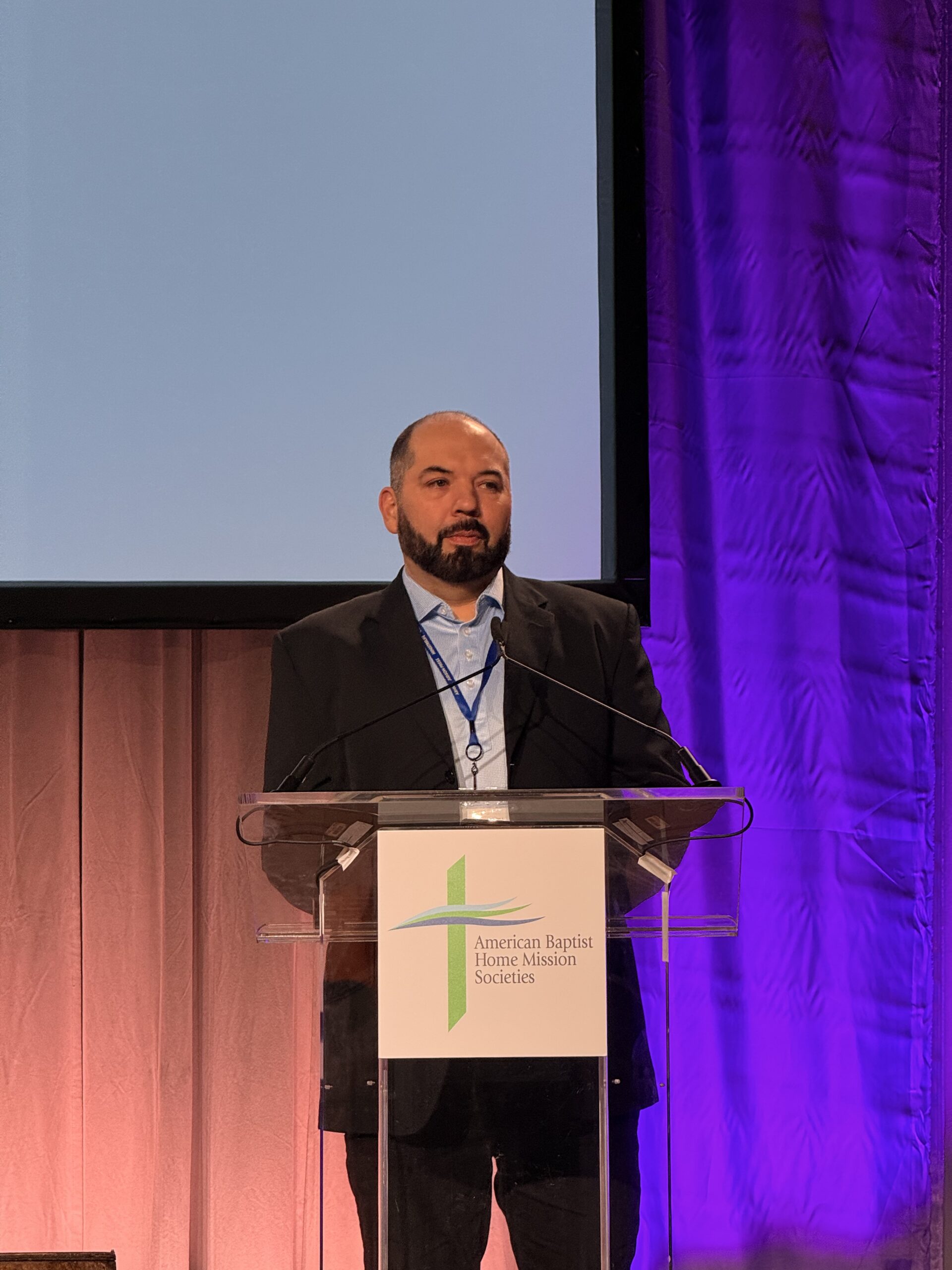
Rev. Ben Sullivan honoring his father Rev. Ken Sullivan, Apr 23 2026
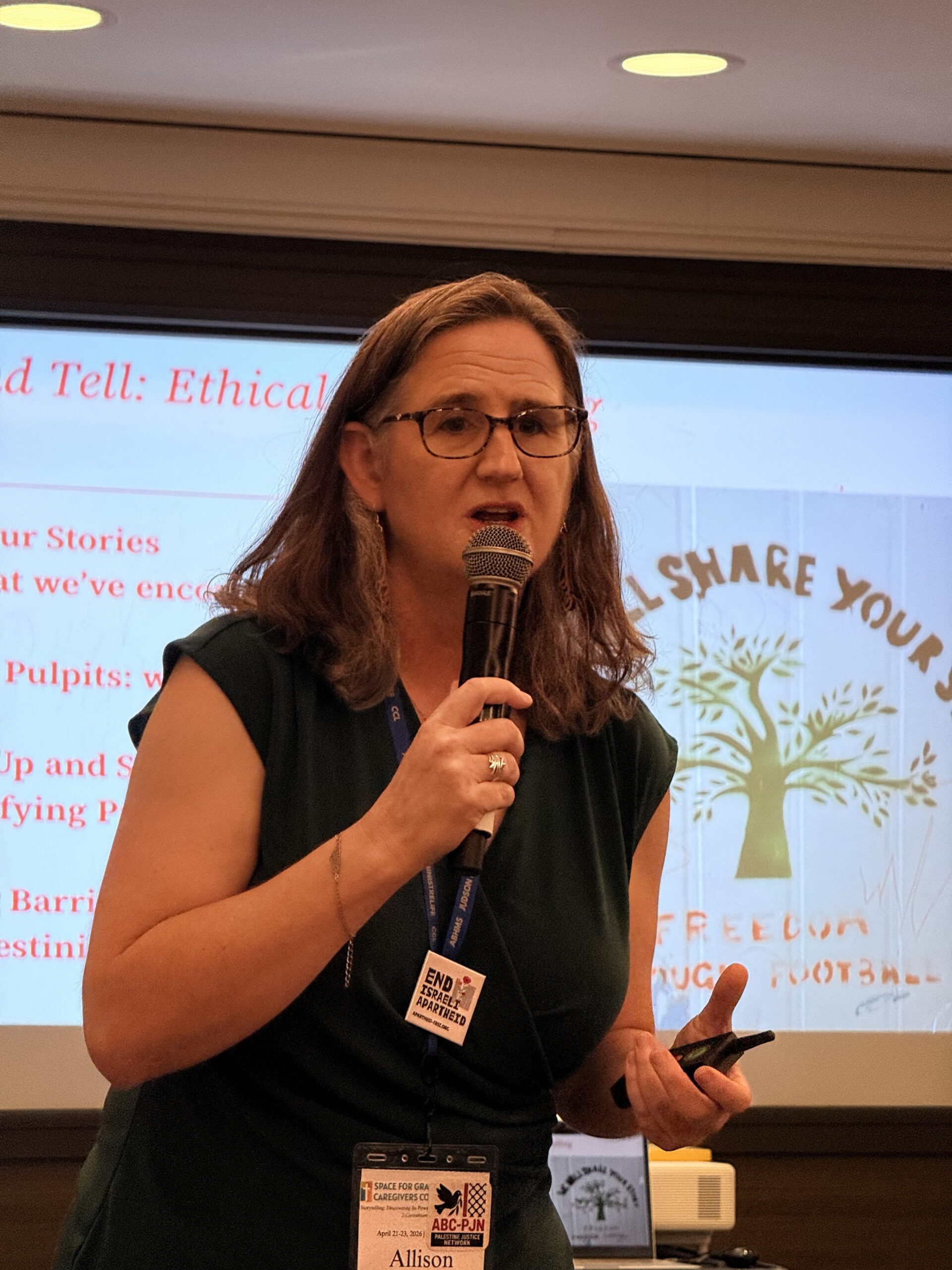
Rev. Dr. Allison Tanner facilitates an afternoon learning experience, Apr 23 2026

Rev. Dr. Christine Smith at the Judson Press book signing, Apr 23 2026
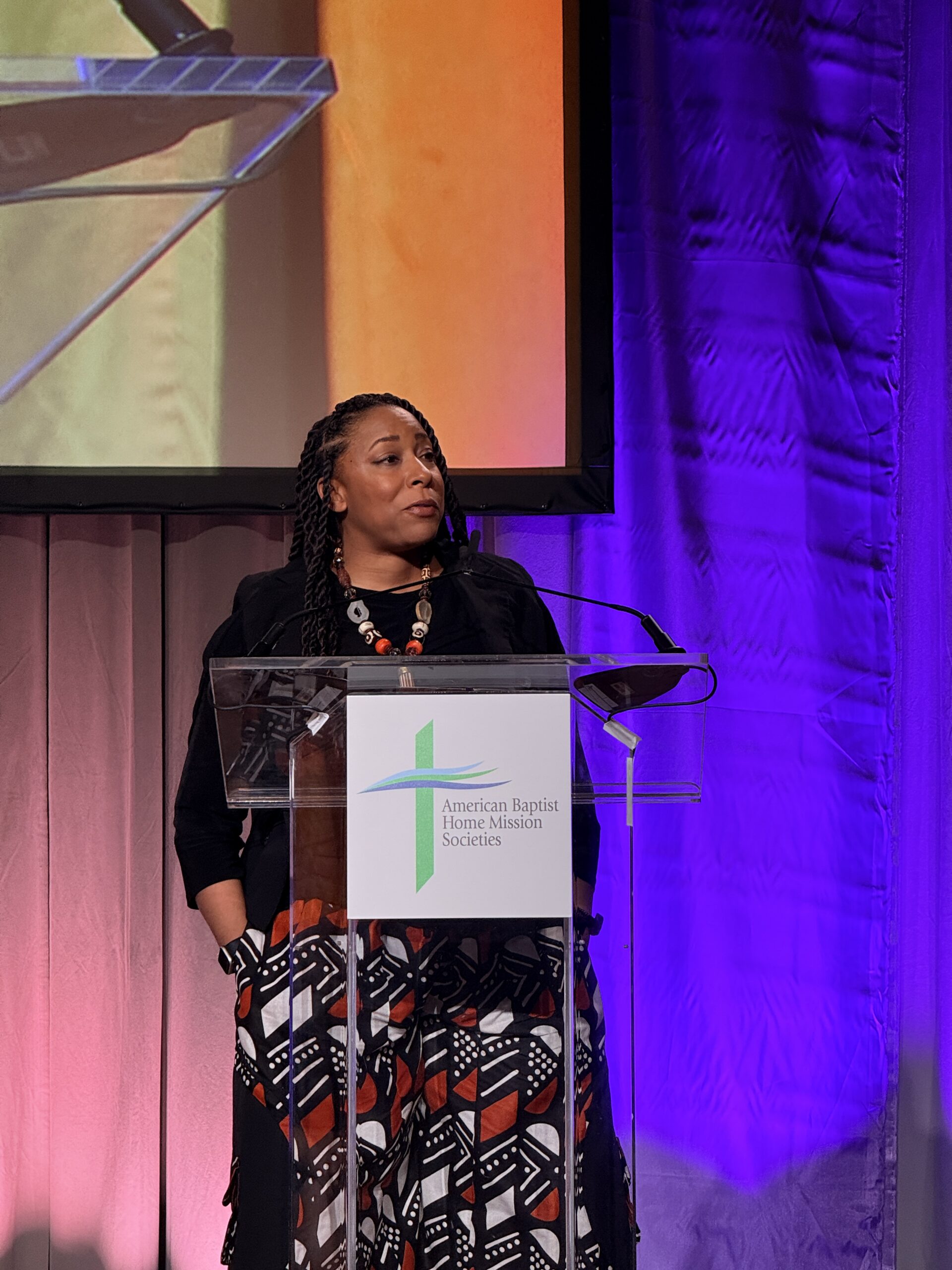
Rev. Dr. TaNikka Sheppard during closing plenary, Apr 23 2026
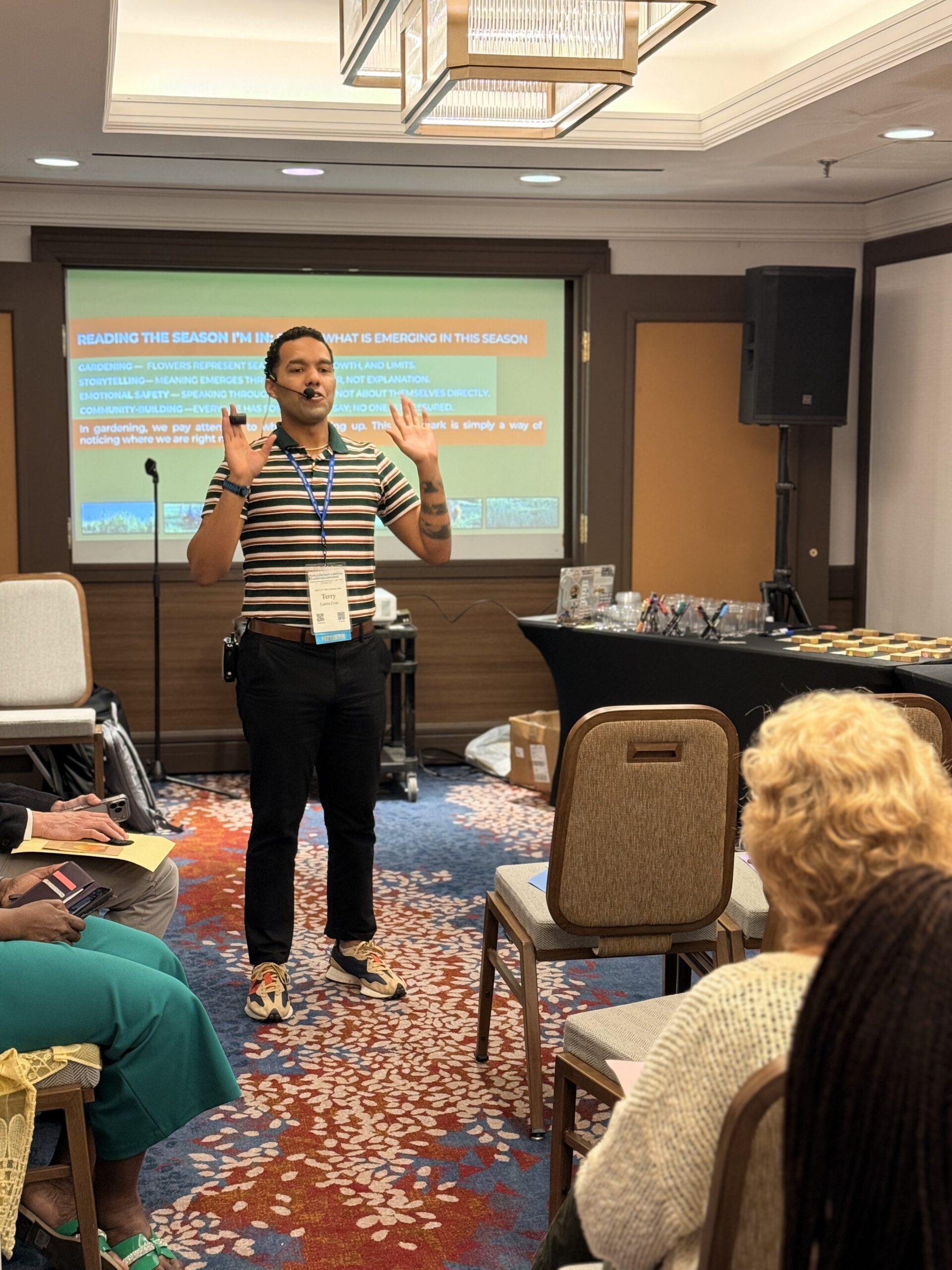
Terry Lastra Cruz facilitates an afternoon learning experience, Apr 23 2026
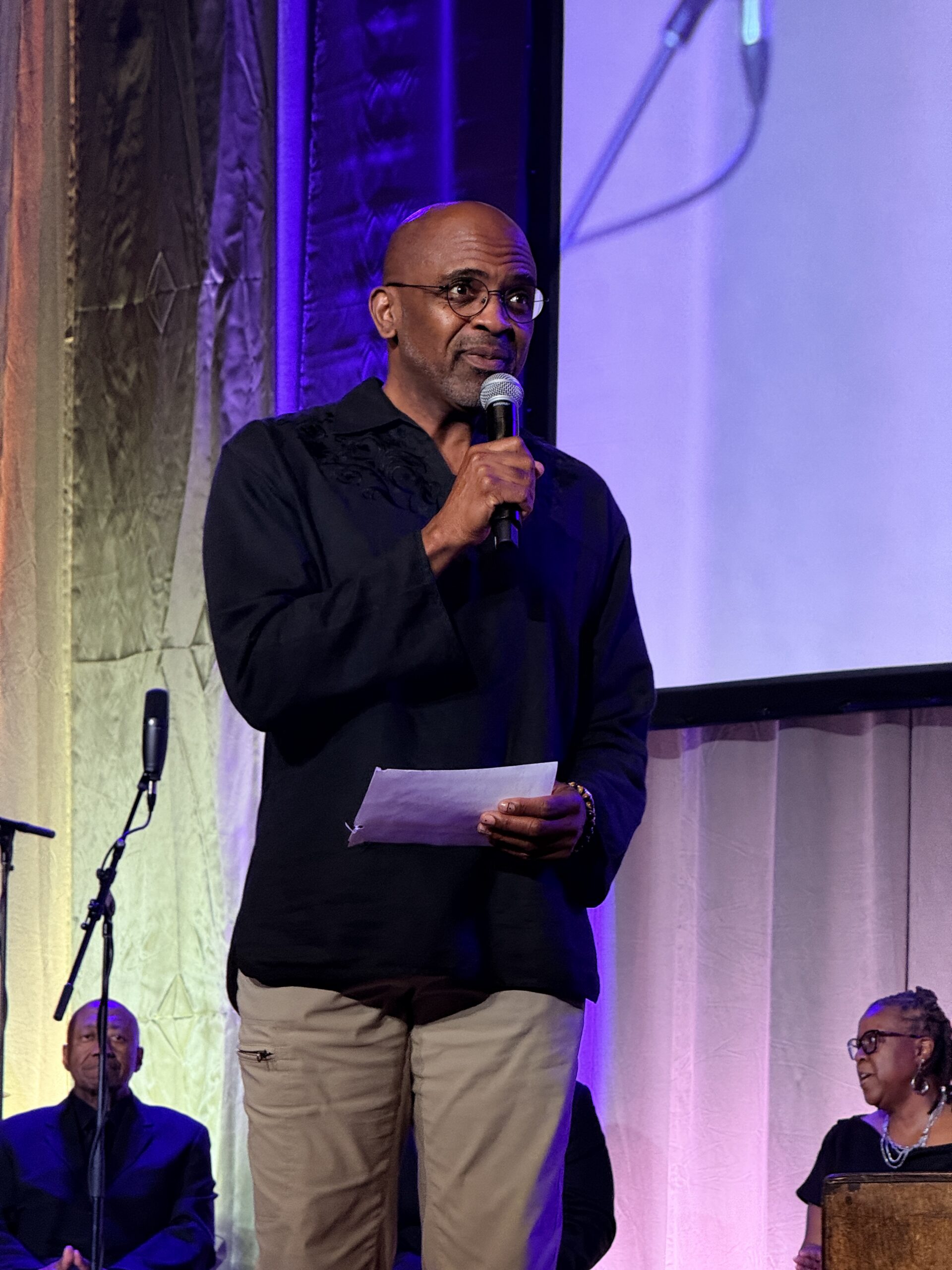
Worship Leader Dr. Tony McNeill, Apr 23 2026
If you were unable to attend Space for Grace in person, you can still engage with this extraordinary event through S4G+. On-demand videos of the plenaries and worship, teach-ins, workshops, the Spiritual Caregivers Luncheon, and the Dinner Cafe are all available through August 23, 2026. Click on the button below to register for only $39.99 to view. (Everyone who attended the conference in person already has access via the Attendee Hub or Conference Mobile App as part of your enhanced registration package.)


